My favorite souvenir from Michoacán wasn't something I bought.
It was something I painted.
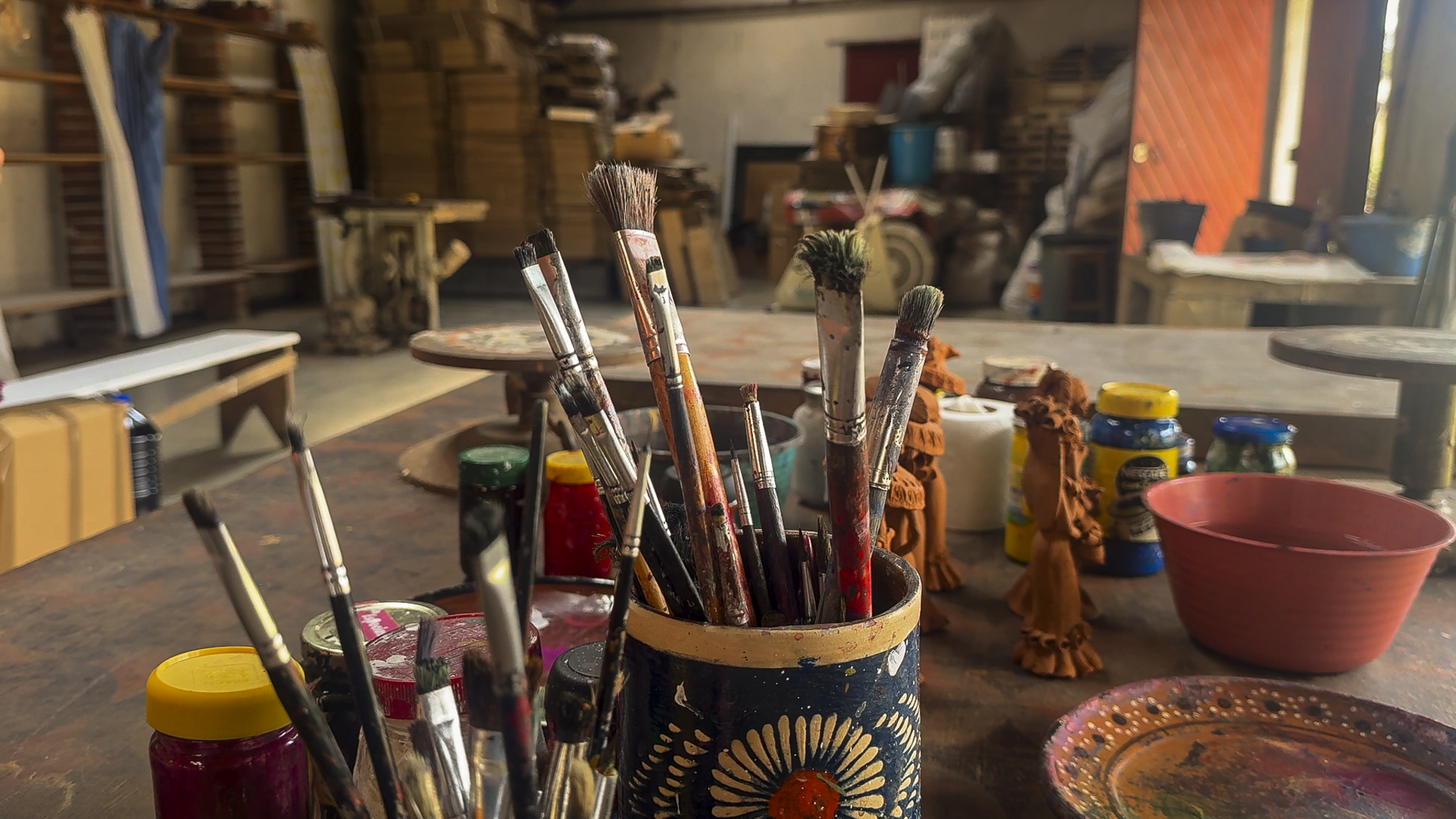
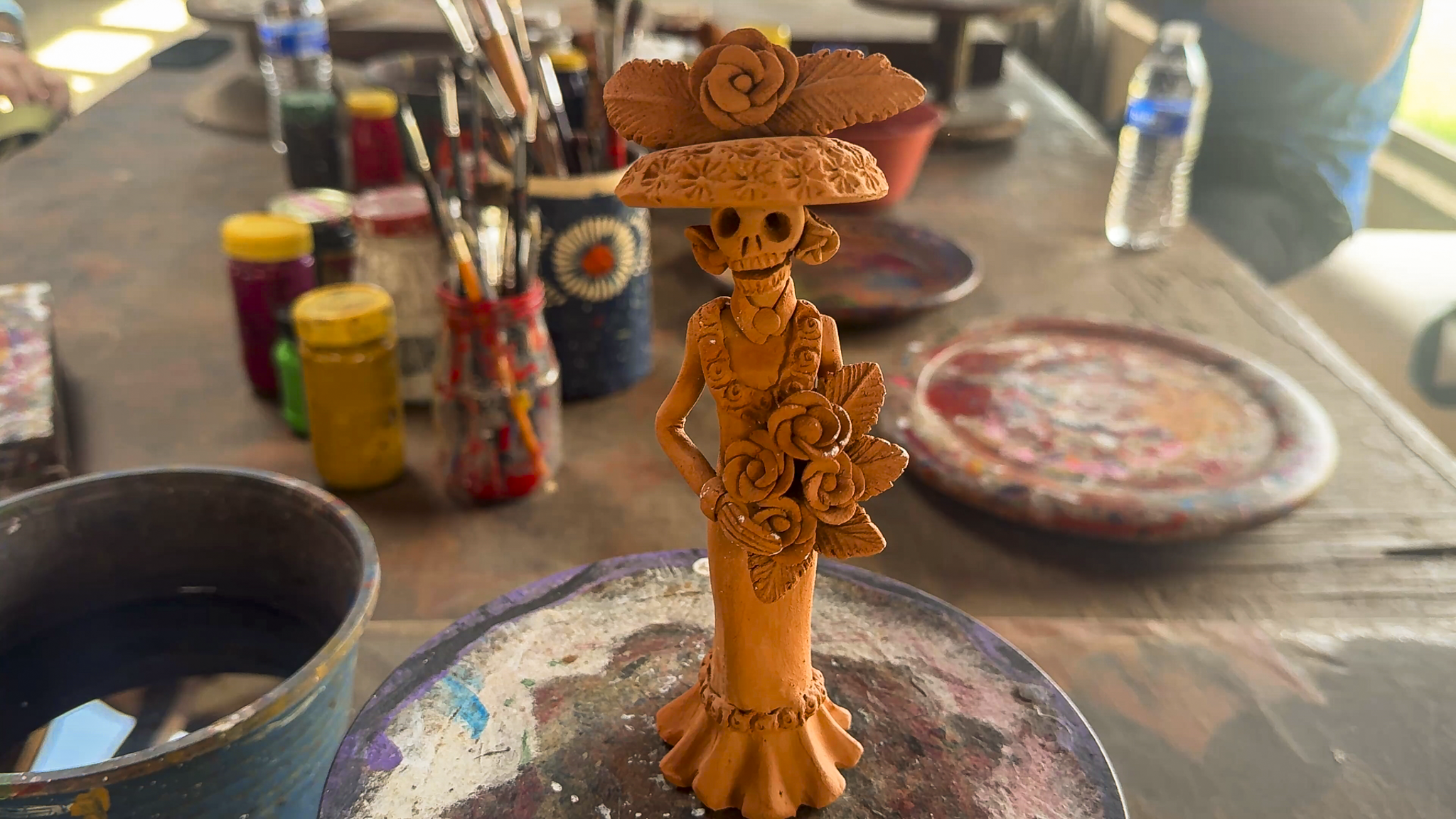
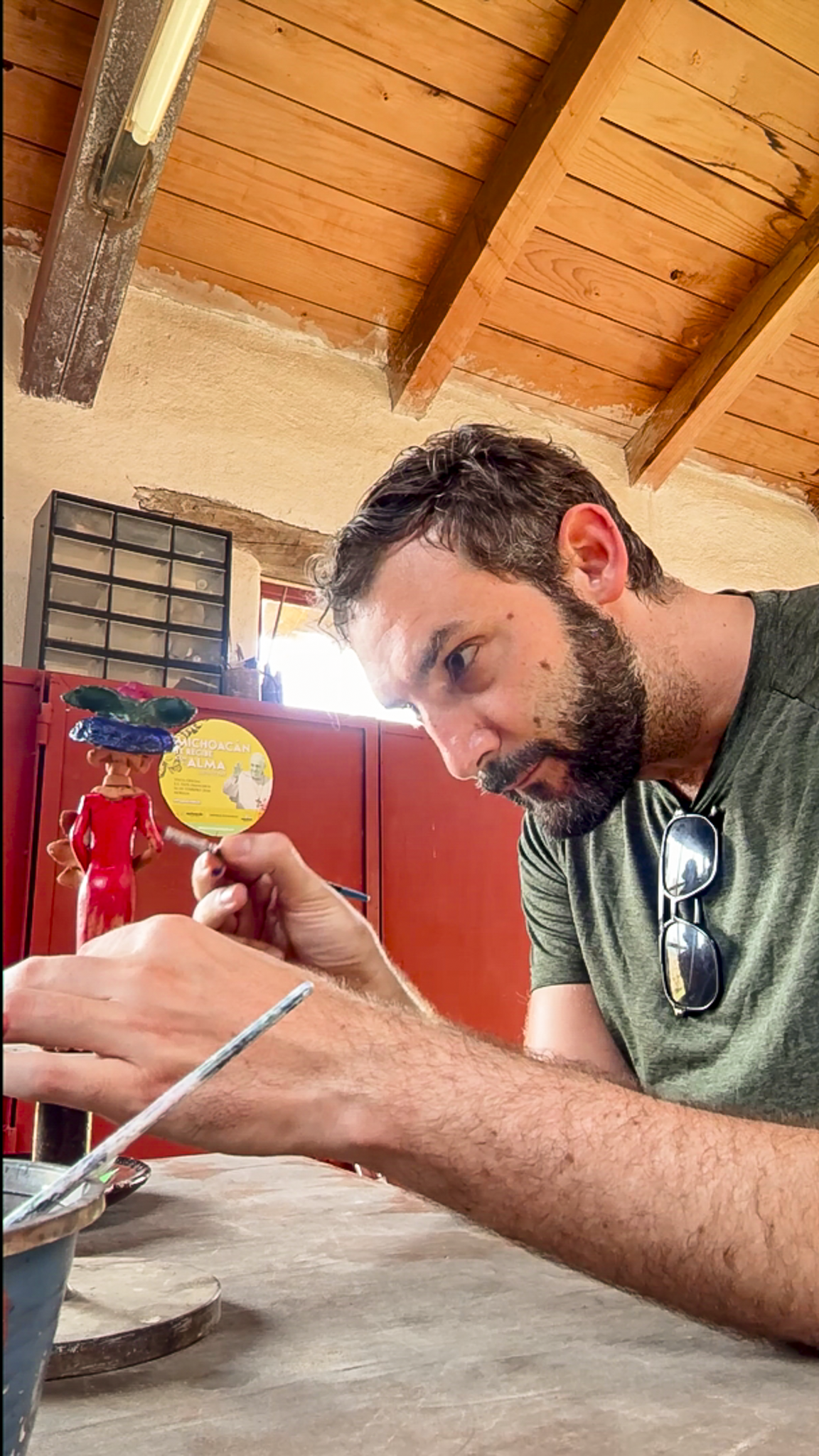
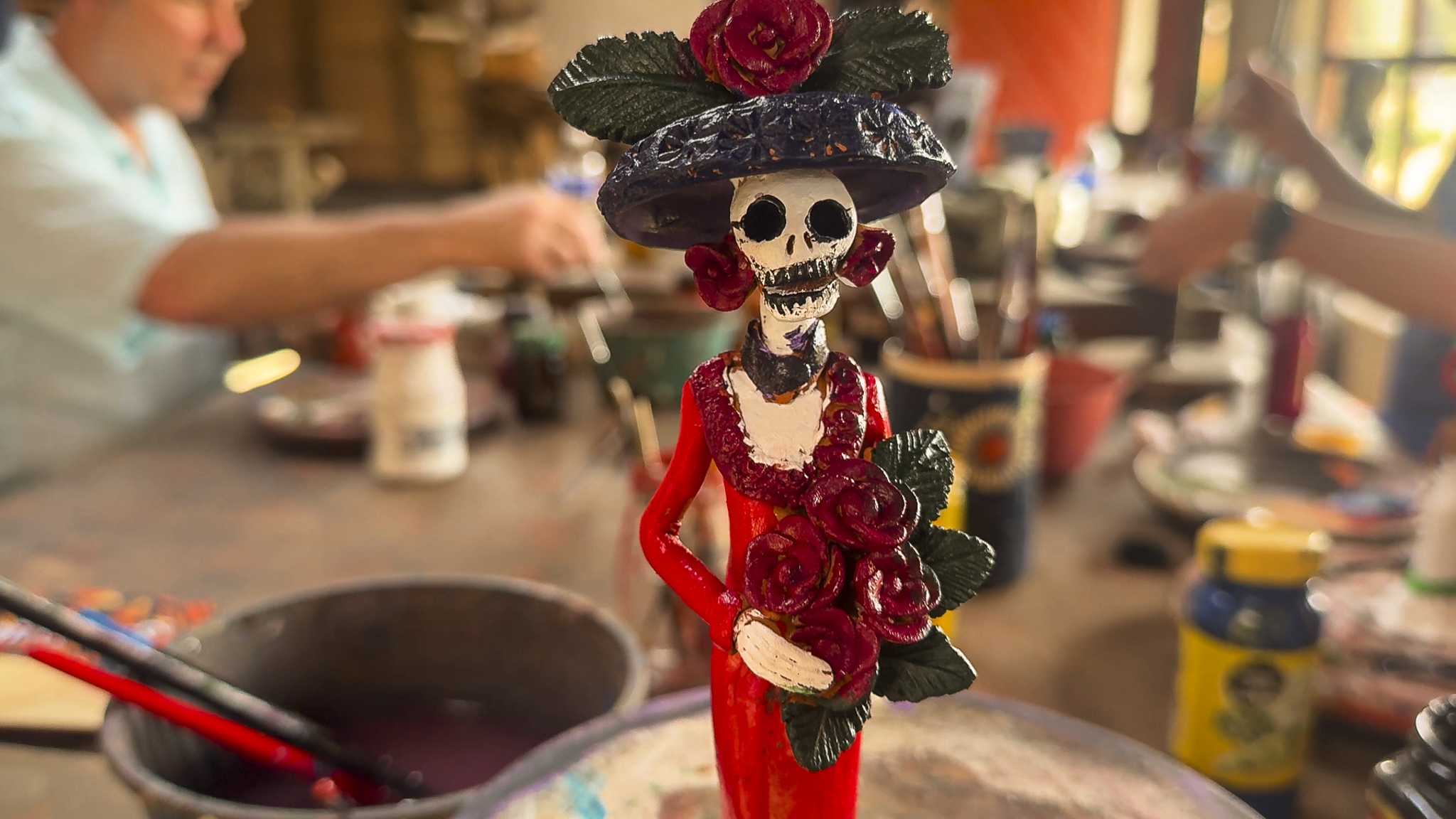
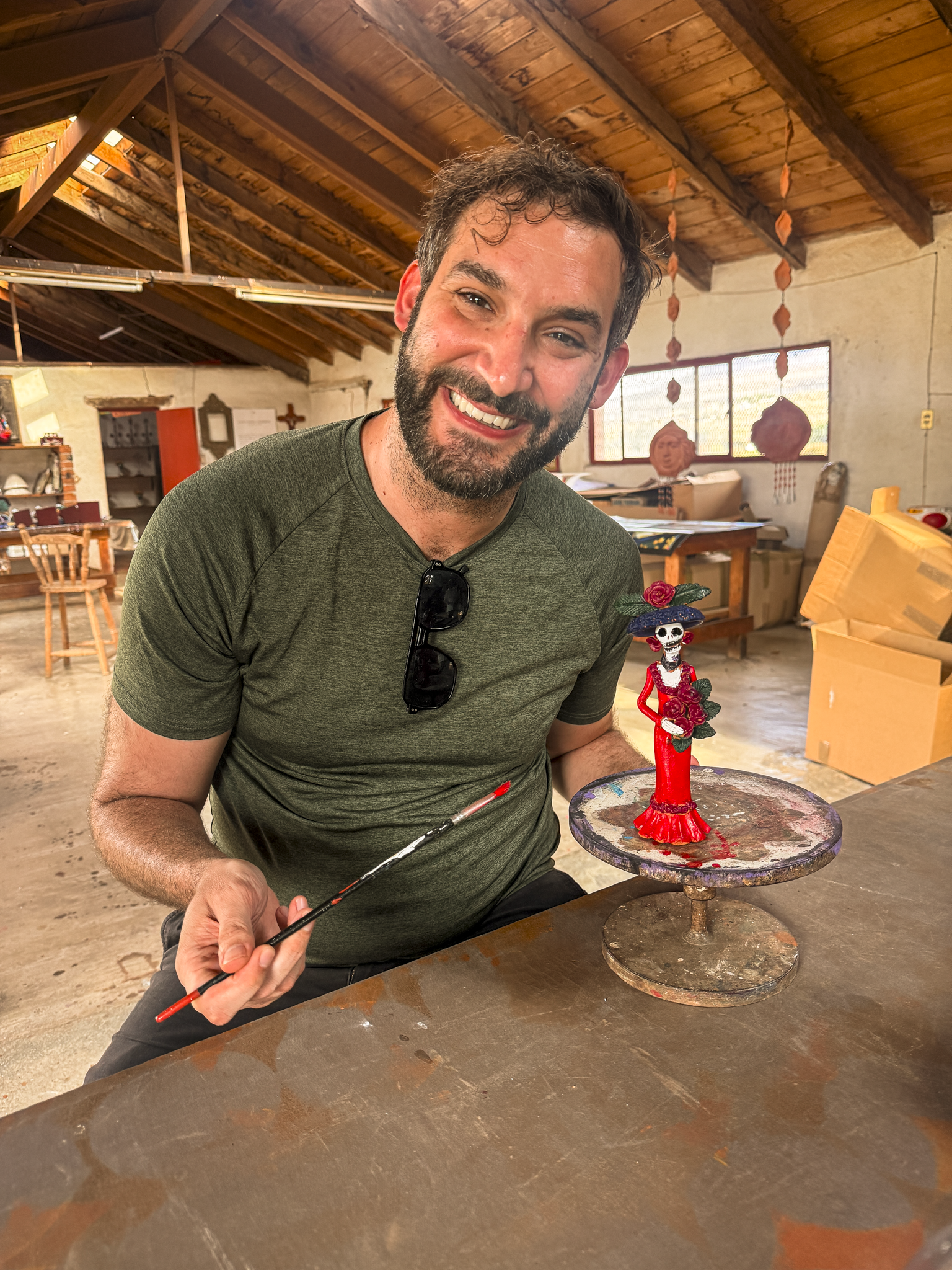
Sitting with Juan Torres Calderón, the visionary behind the brightly colored Catrinas, in his pottery workshop in Capula, felt surreal. I found myself adding brushstrokes to my own Day of the Dead figure as I learned about a tradition that has become inseparable from the region's identity.
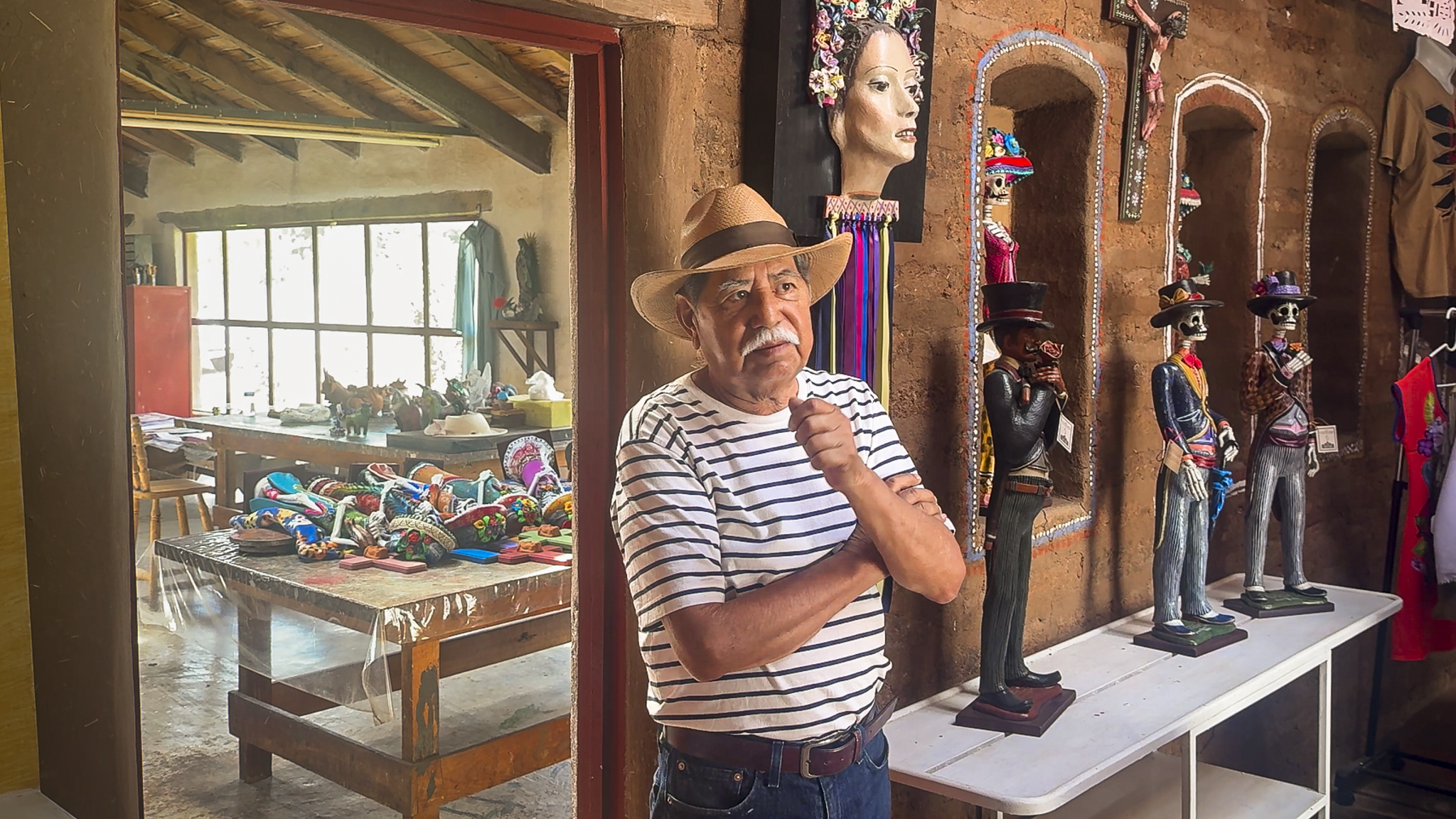
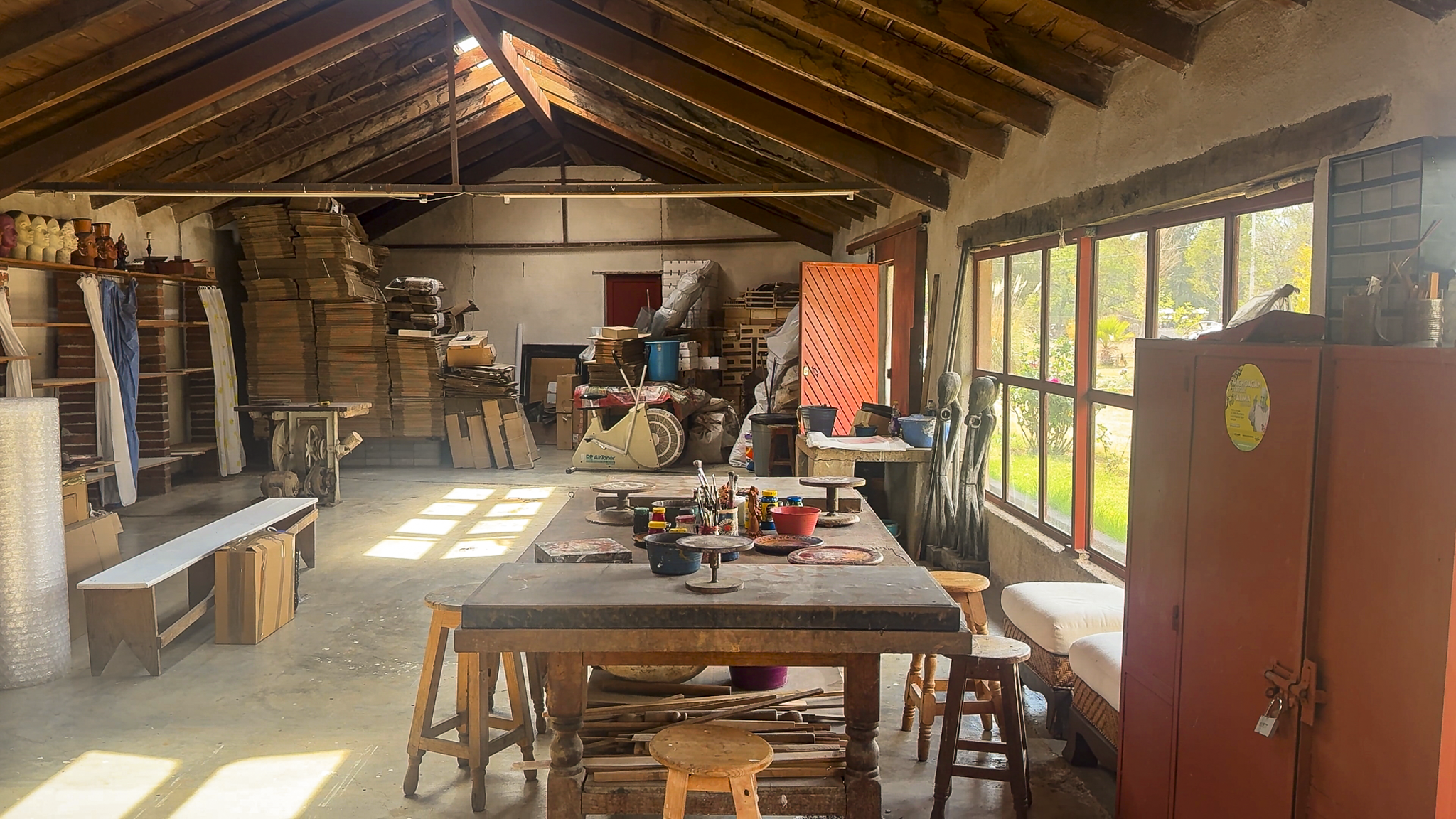
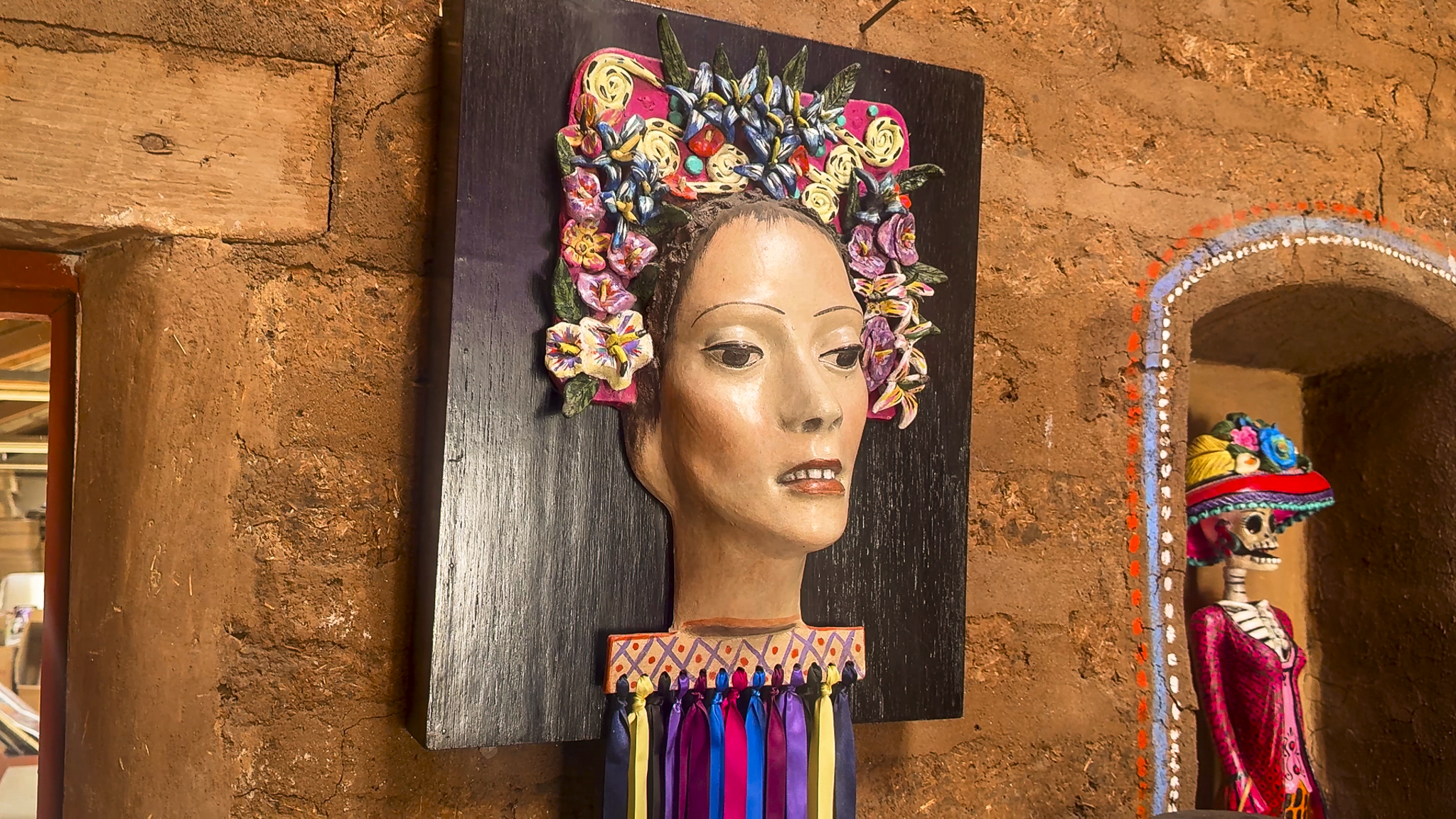
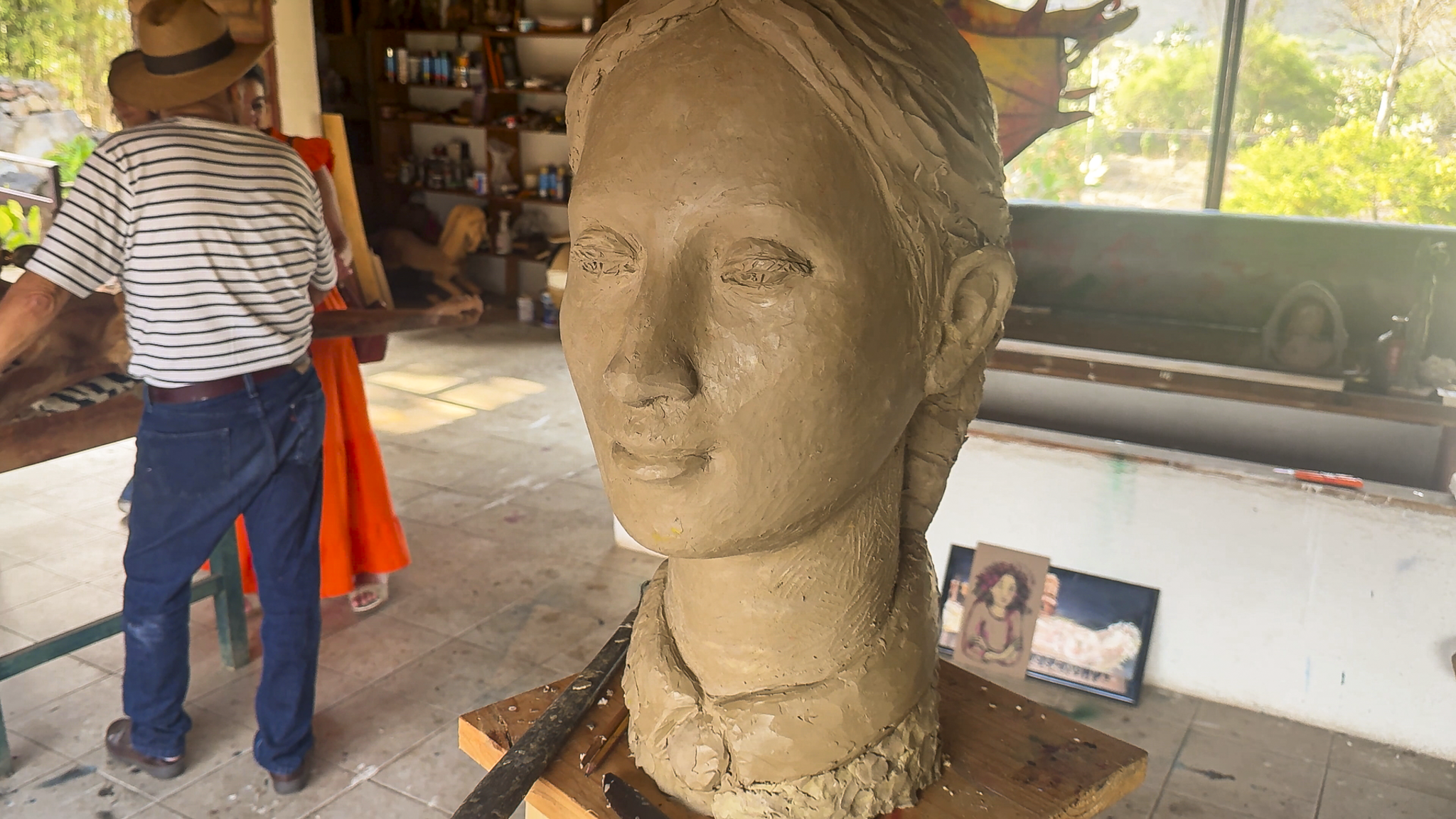
The piece wasn't perfect. My artistic talents peaked somewhere around elementary school. But as I worked, I found myself less concerned with what I'd take home and more fascinated by the people around me who had spent years perfecting their craft.
That realization followed me throughout my time in Michoacán.
The state markets itself as El Alma de México—The Soul of Mexico. Like most tourism slogans, I arrived skeptical. Every destination claims to be the heart, soul, or spirit of something.
By the time I left, however, I understood what Michoacán was trying to say.
Its soul isn't found in a single landmark, church, or historic district.
It's found in the people who keep its traditions alive.
A place that remembers
I never knew about Michoacán until I had the opportunity to visit, nor did I know about the region’s connection with the Día de los Muertos (Day of the Dead) ceremonies.
The connection is impossible to miss once you're there.
Images of Catrinas appear throughout towns and markets. Artisan workshops display colorful interpretations of the iconic skeletal figures. Decorations, artwork, and symbols tied to remembrance feel woven into daily life rather than reserved for a single holiday.
At times, the entire trip reminded me of the movie Coco.
Not because everything looked familiar, but because both are rooted in remembering the people and traditions that came before us.
That sense of remembrance appeared everywhere I looked.
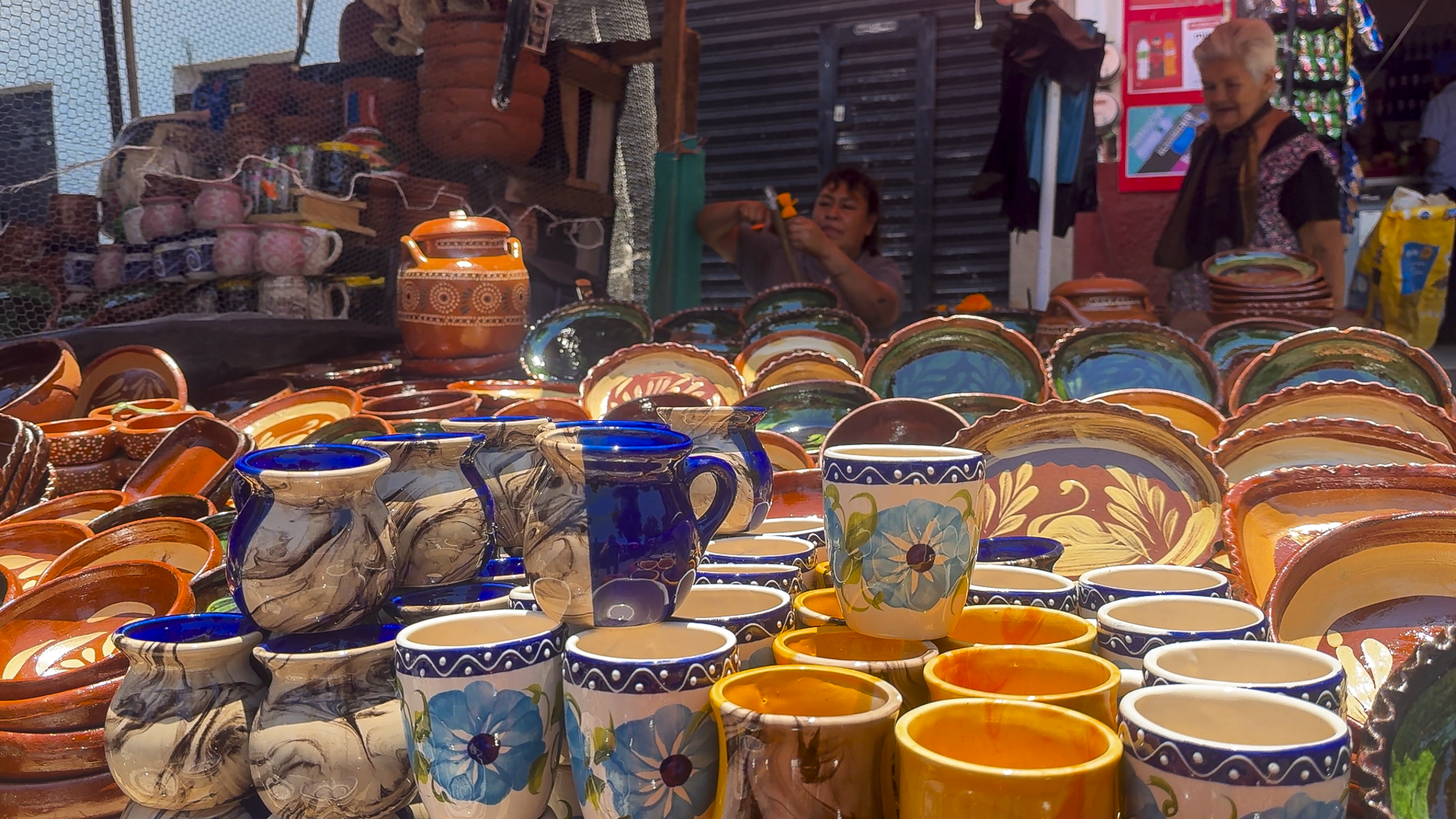
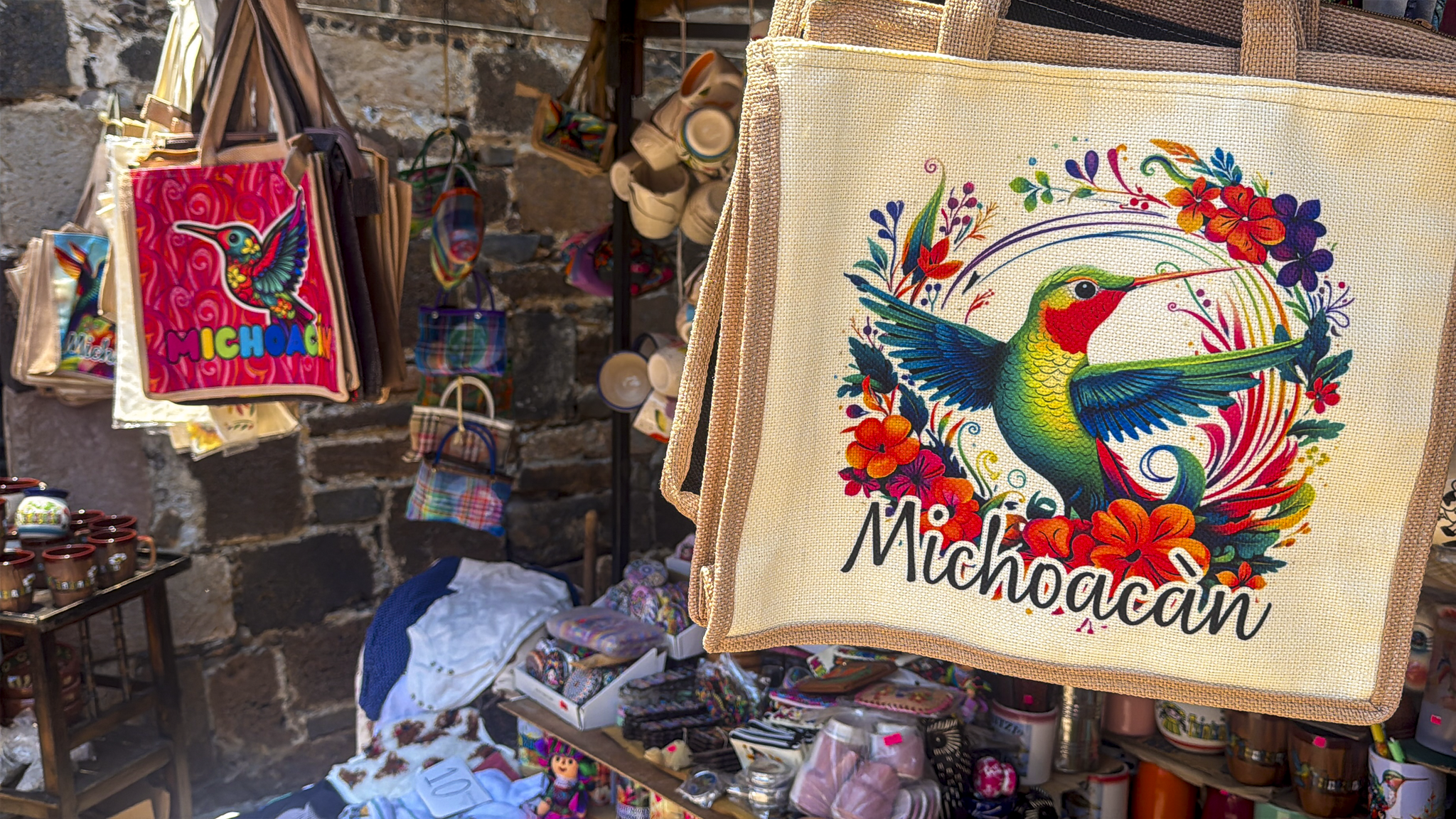
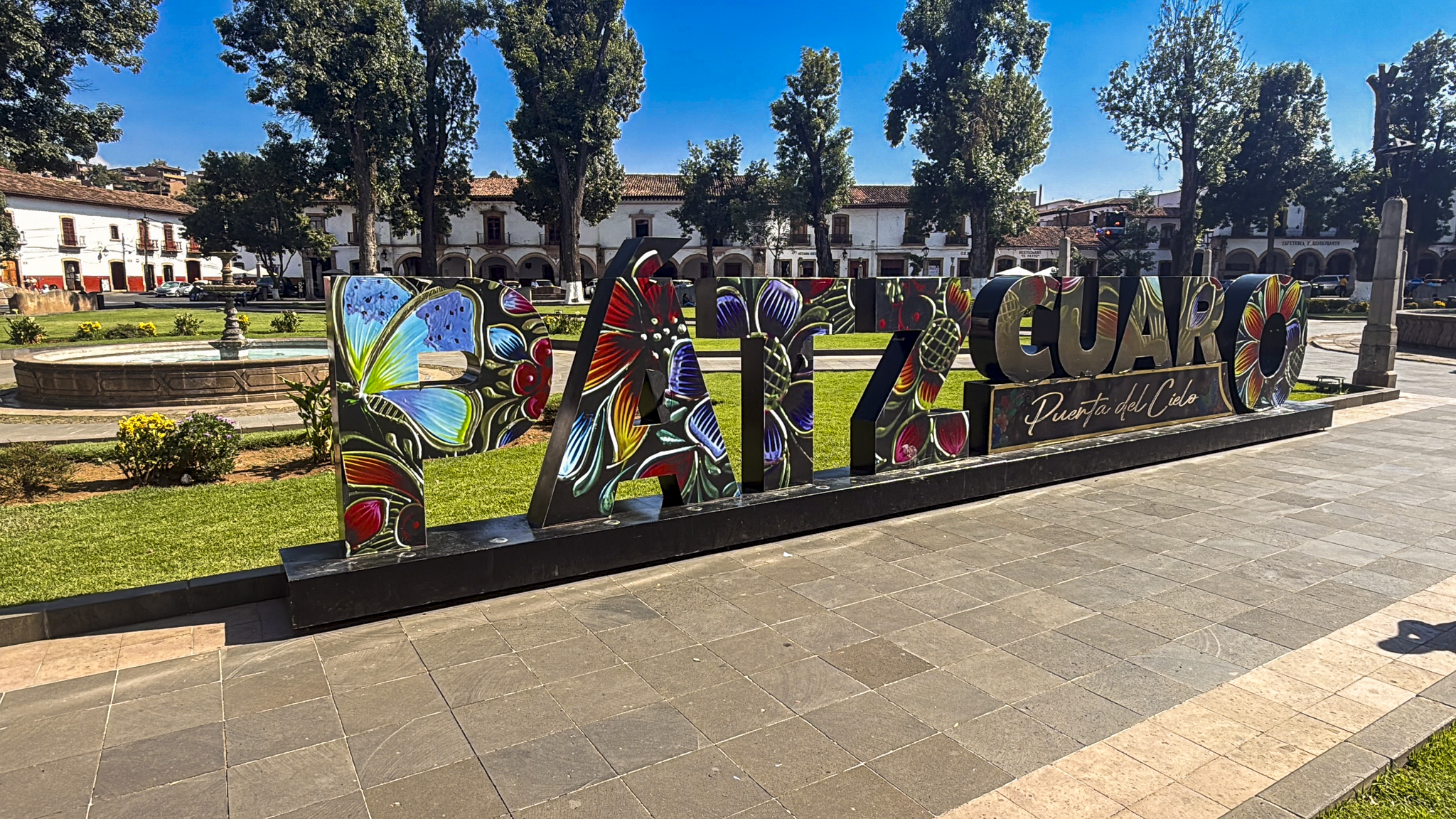
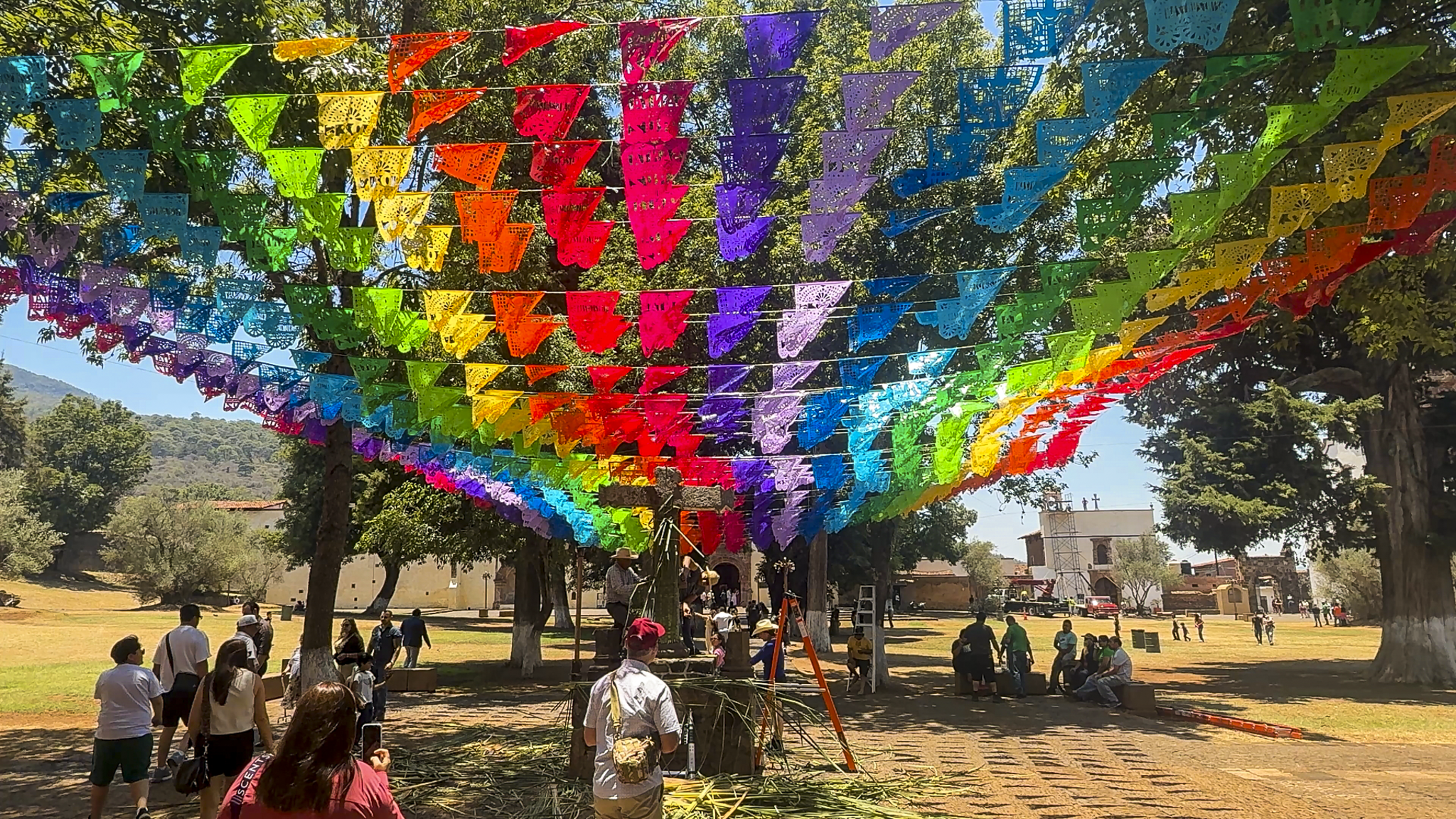
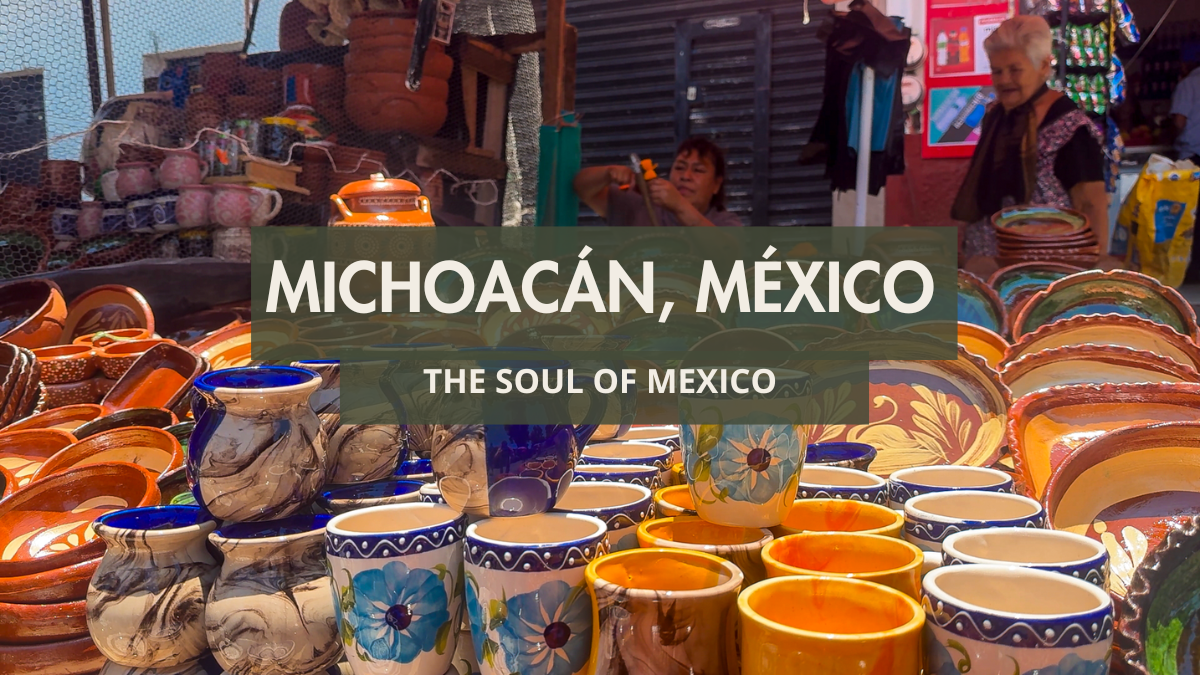
In Tzintzuntzan, artisans fill markets with pottery, woodwork, and textiles. In Pátzcuaro, workshops and storefronts inside the historic House of the Eleven Patios showcase generations of craftsmanship. What visitors often see as souvenirs are, in many ways, pieces of living history.
These traditions aren't preserved behind glass.
They're still being practiced.
The hands behind the tradition
The more I traveled through Michoacán, the more I noticed a common thread.
Someone was always making something.
A potter shaping clay. An artist painting intricate designs by hand. A vendor arranging handcrafted goods for display. A family-preserving technique passed down through generations. In an age when so much feels mass-produced and disposable, there was something refreshing about witnessing traditions that continue because people actively choose to keep them alive.
Take Blanca Delia Villagómez Estrada, for example, the executive chef behind La Casa de Blanca in Tzintzuntzan. She’s already made a global impact in the culinary scene, which, for her, is rooted in the traditions her parents, the artisans Juan Nepomuceno Villagómez and Amparo Estrada, taught her.
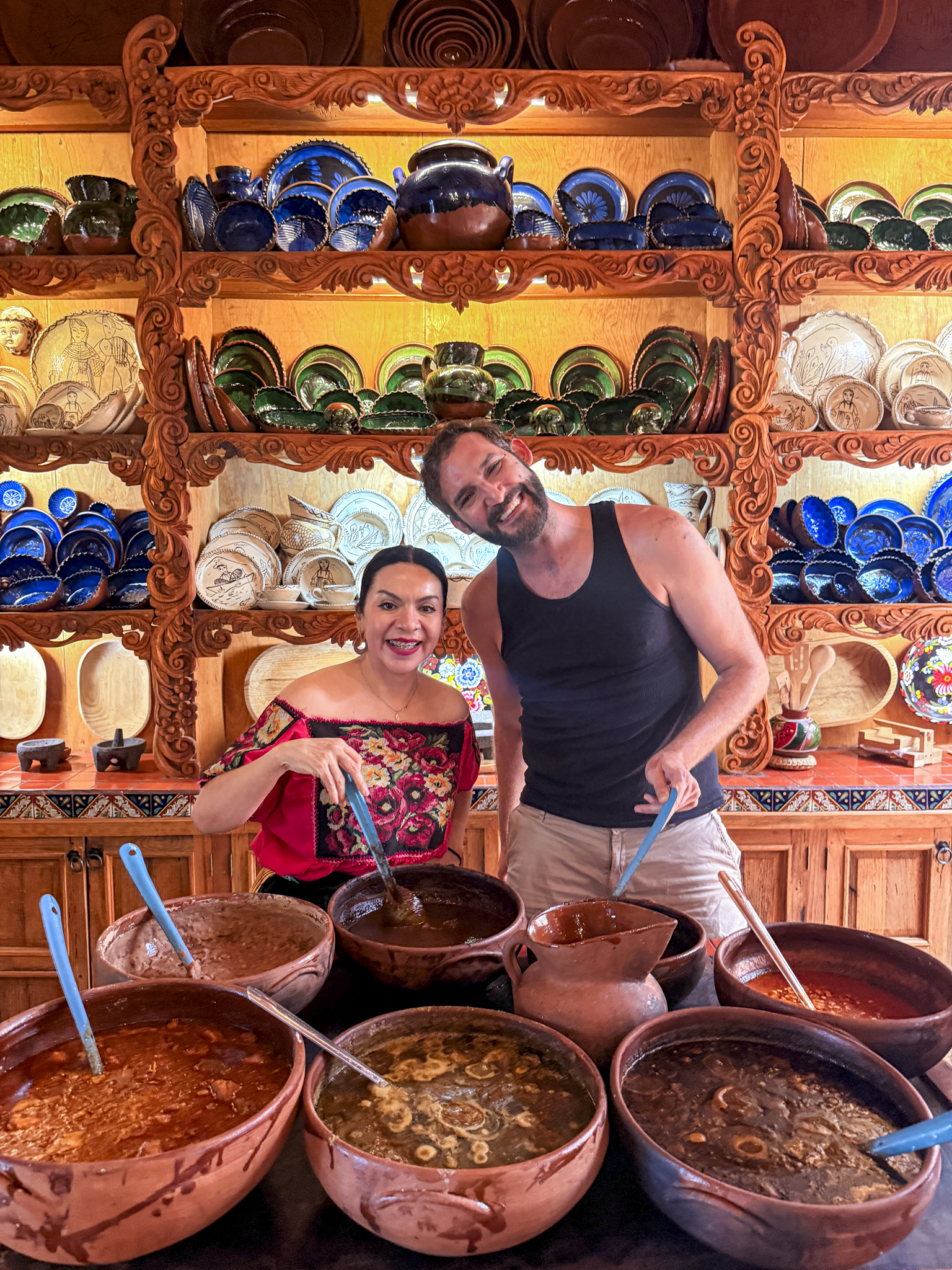
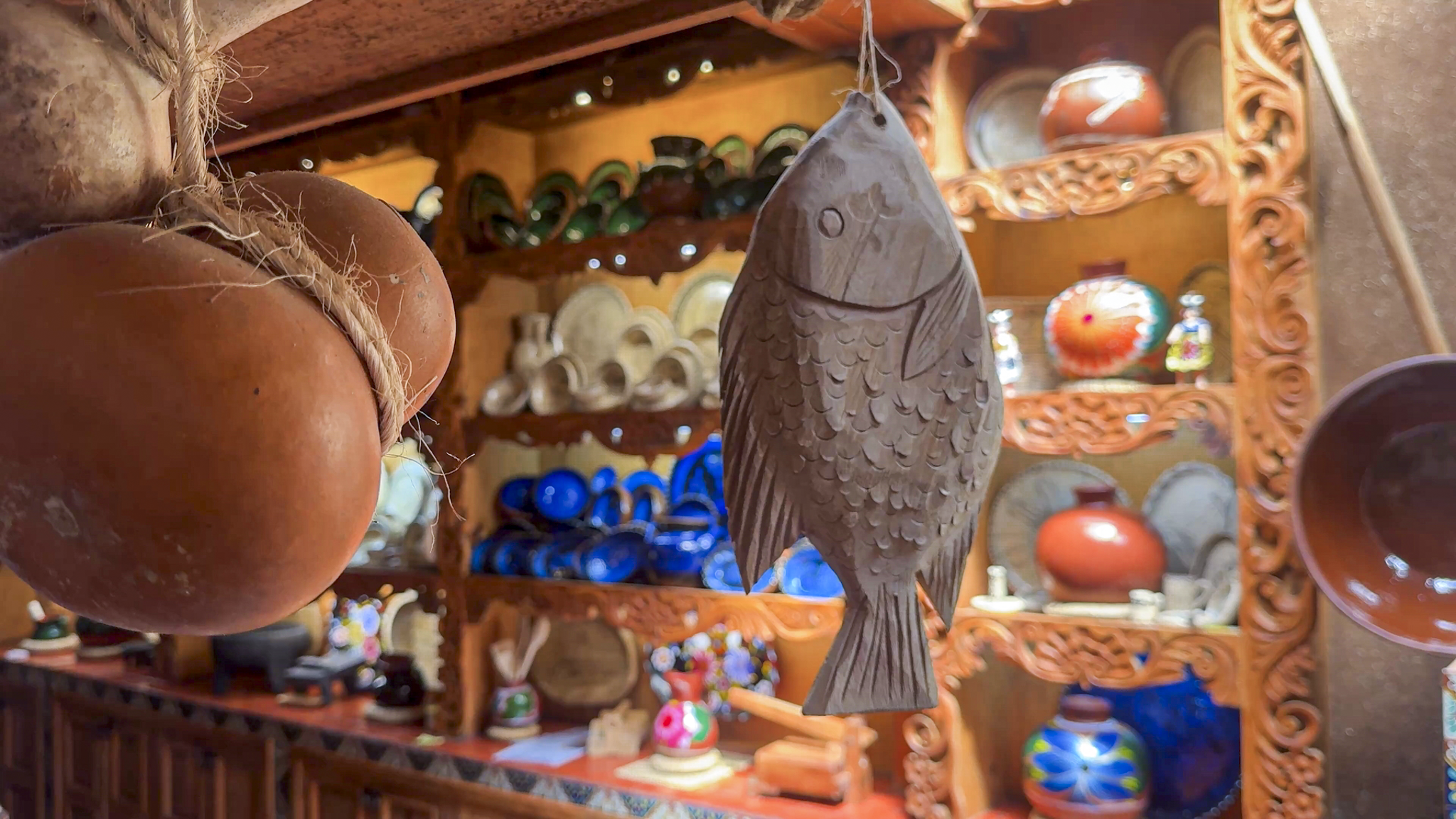
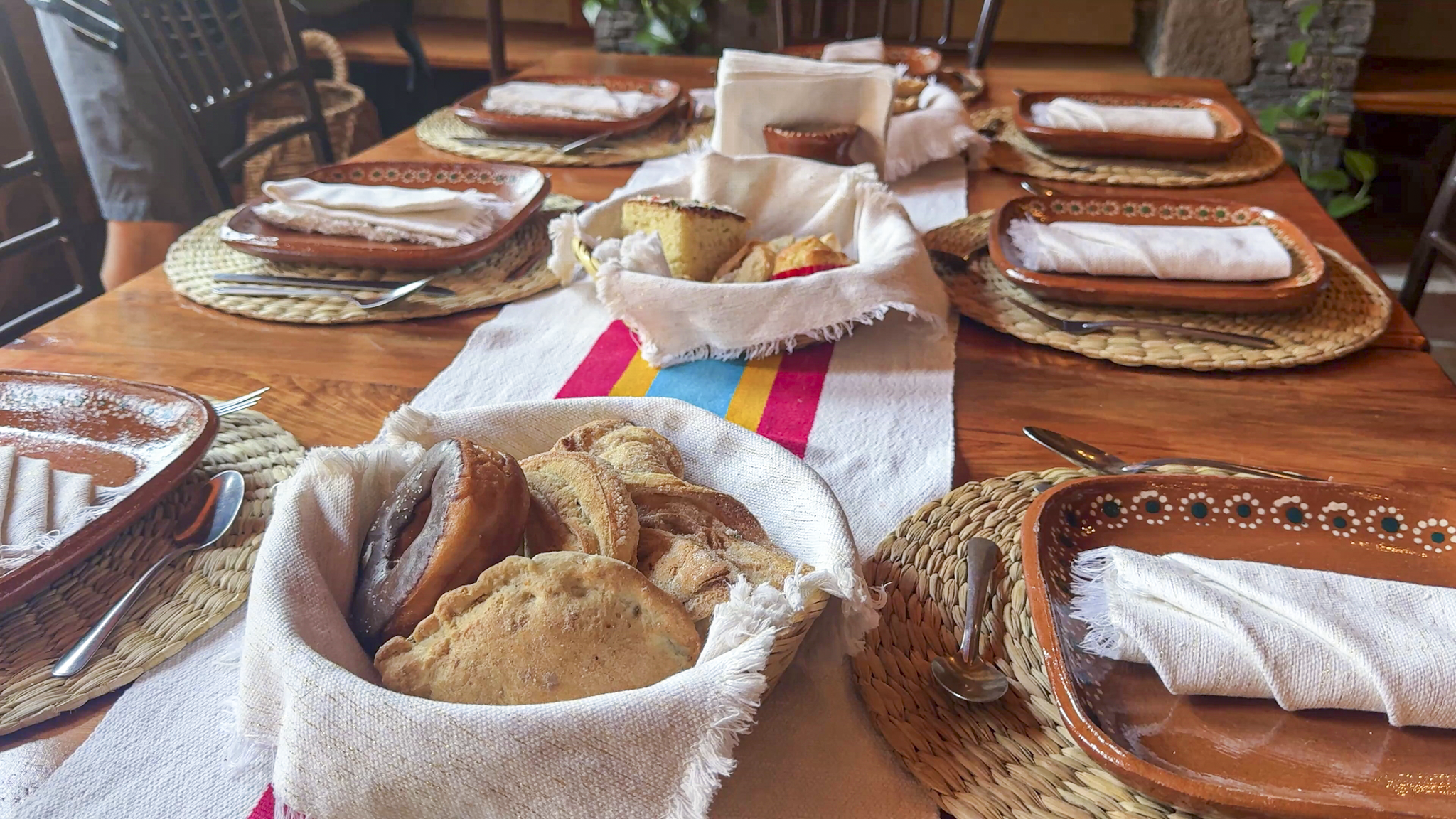
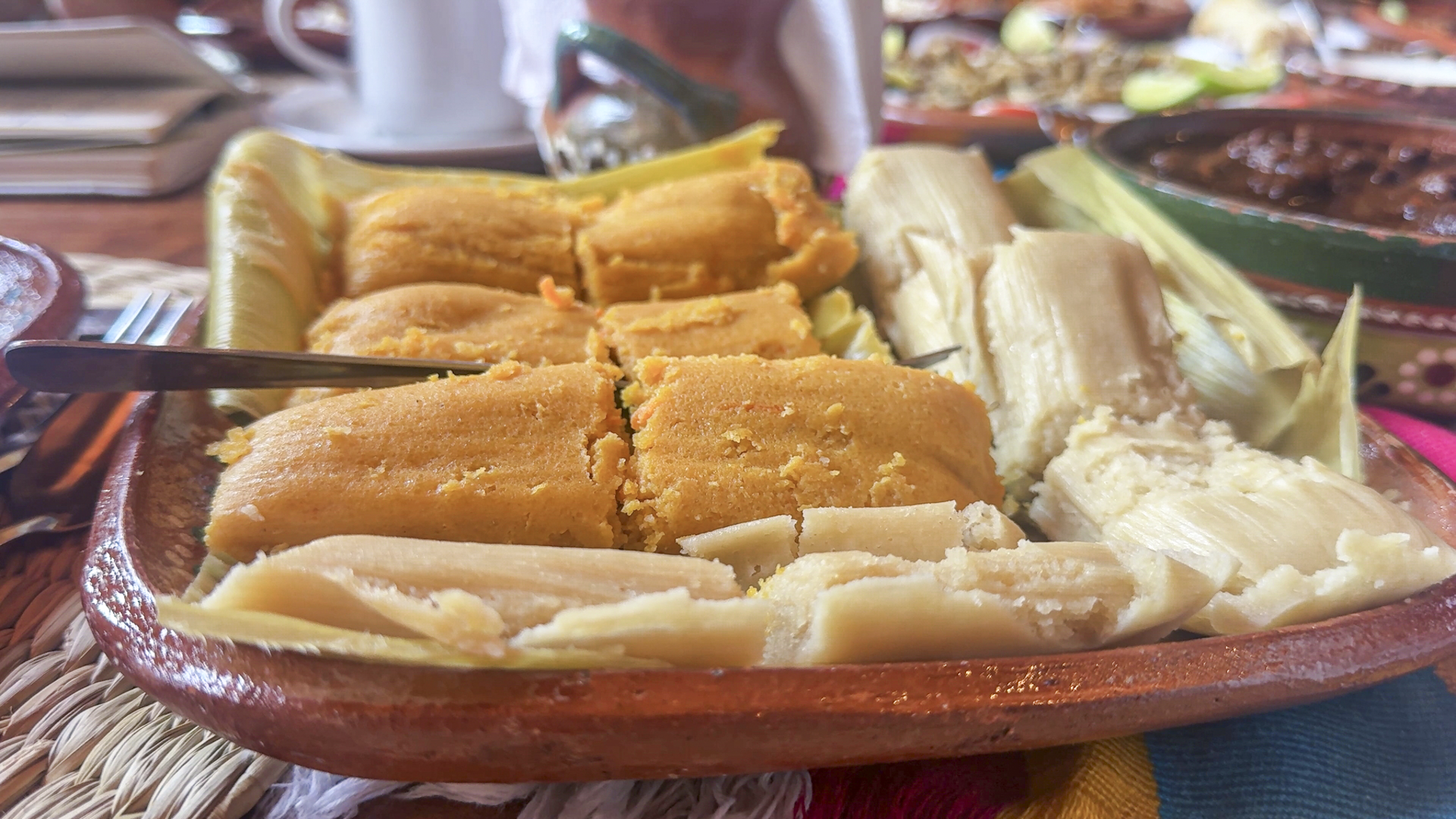
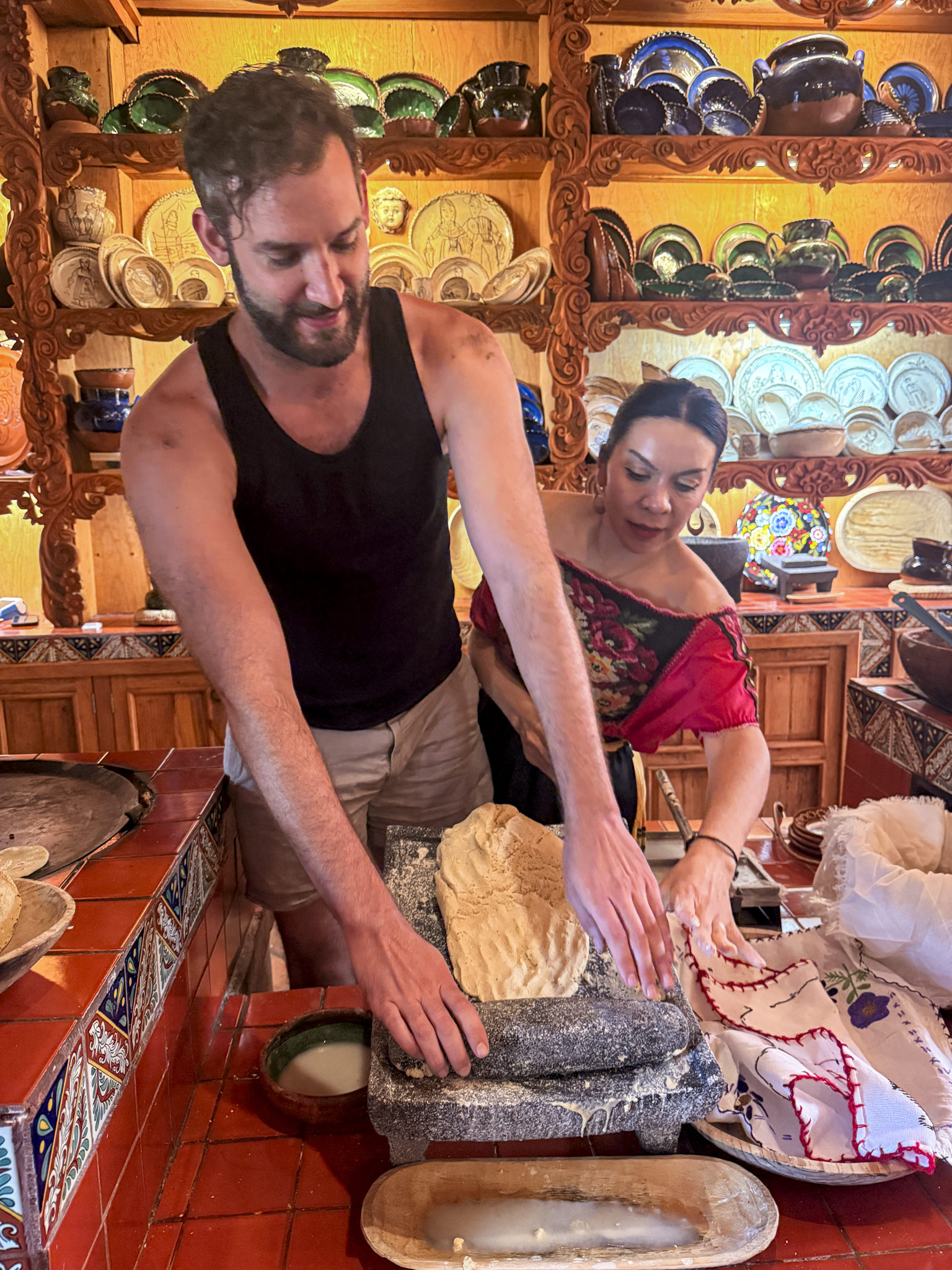
We had the opportunity to make our own handmade tortillas with Villagómez, and while mine started off well, it took a humorous left turn:
More than beautiful buildings
Of course, Michoacán offers far more than artisan workshops and restaurants.
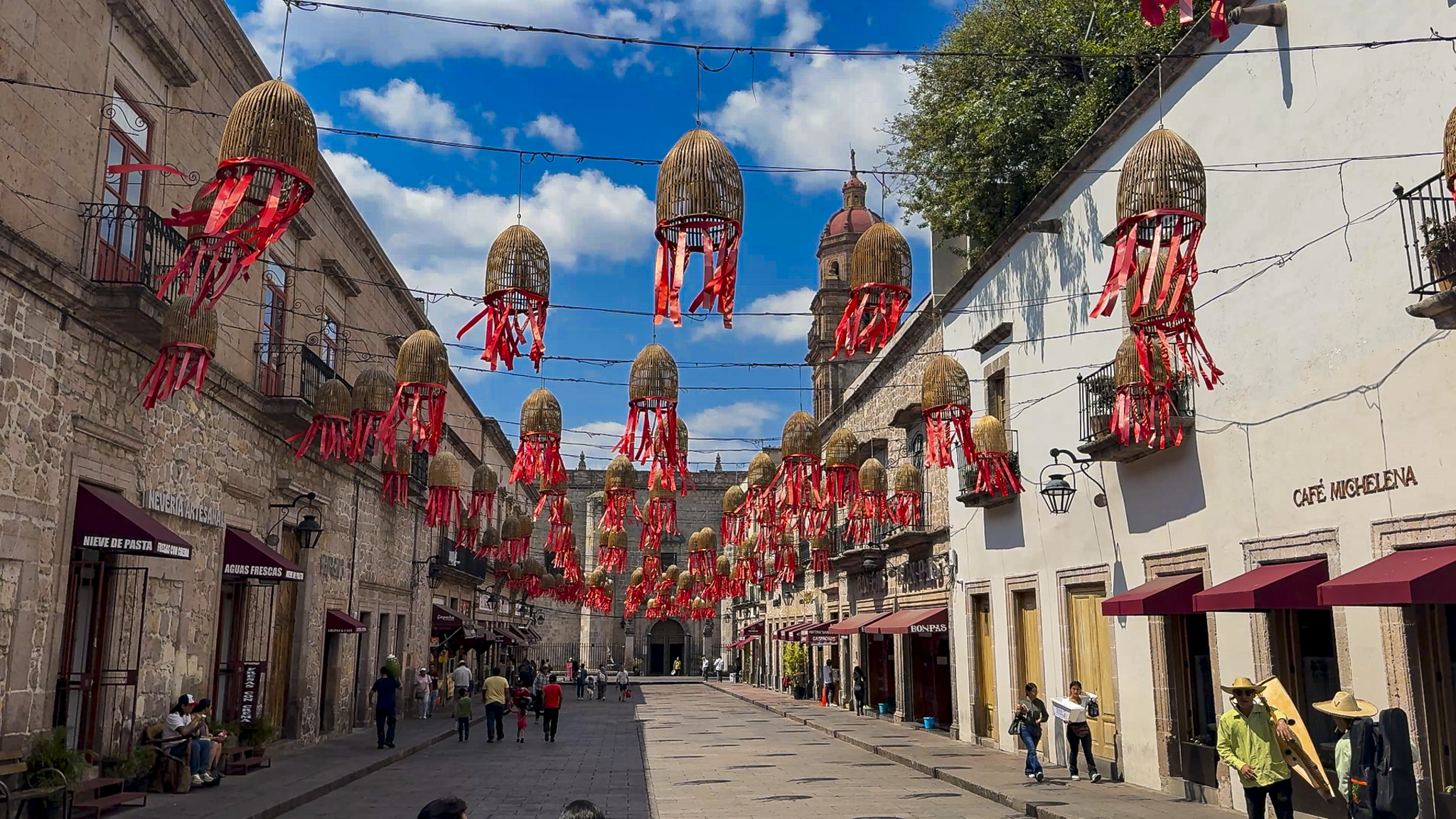
Morelia, a UNESCO World Heritage Site and the capital of Michoacán, quickly became one of my favorite cities in Mexico.
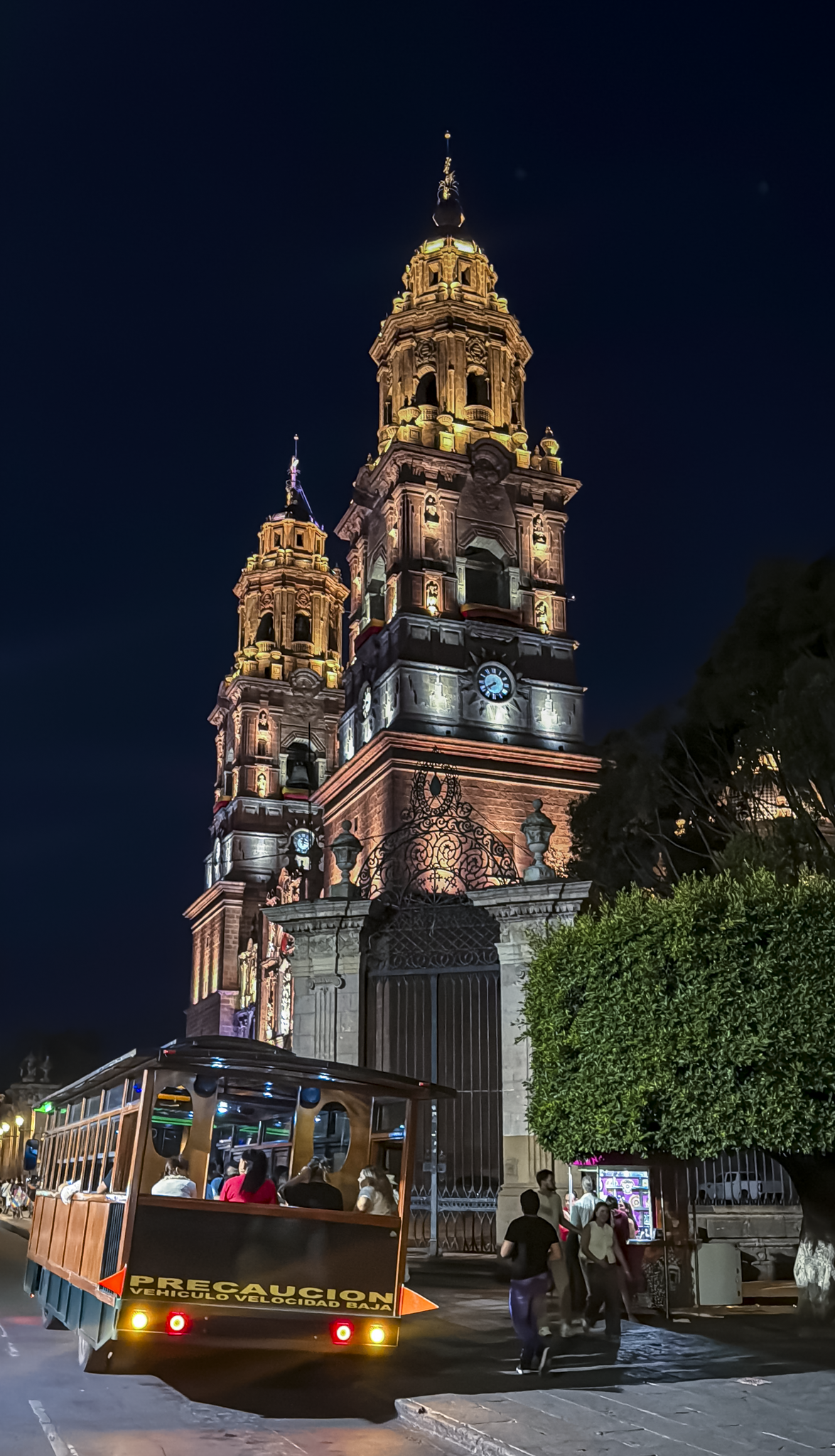
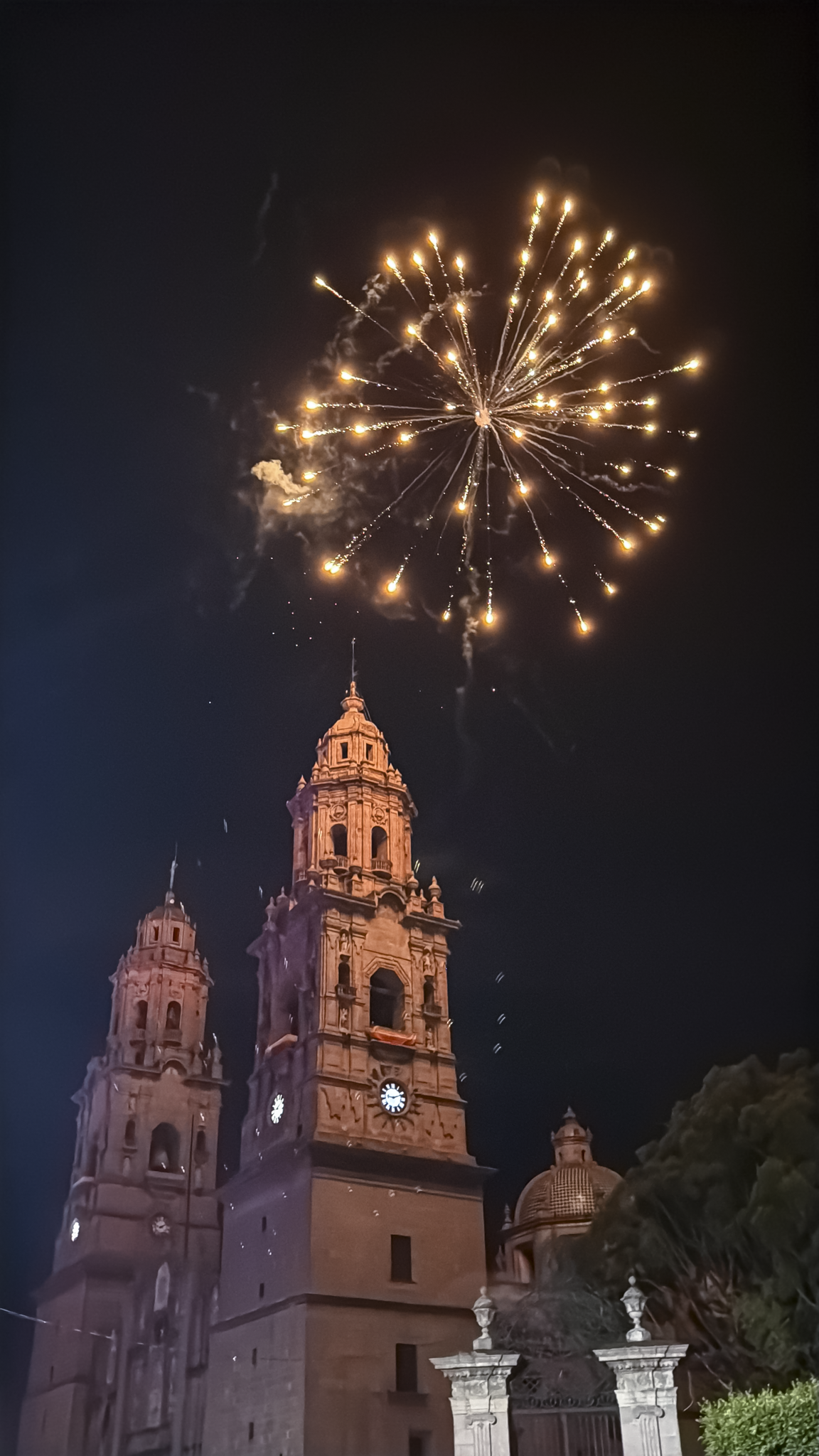
Its historic center feels grand without feeling overwhelming. Carefully crafted buildings line the streets, churches rise above bustling plazas, and nearly every corner seems worthy of a photograph.
The cathedral dominates the skyline, but it was often the smaller details that captured my attention most: ornate facades, hidden courtyards, and everyday life unfolding against centuries-old architecture.
The city is undeniably beautiful.
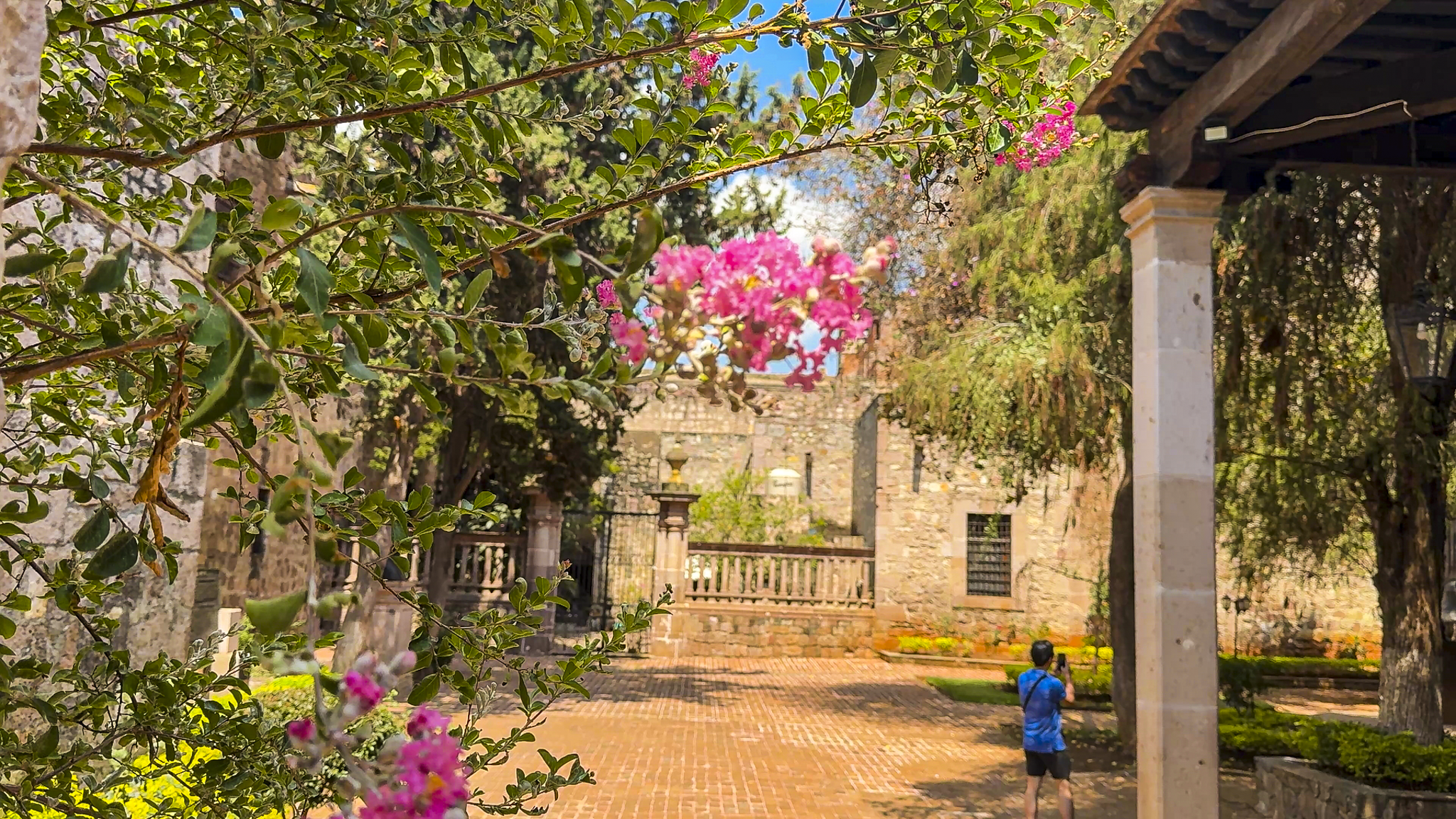
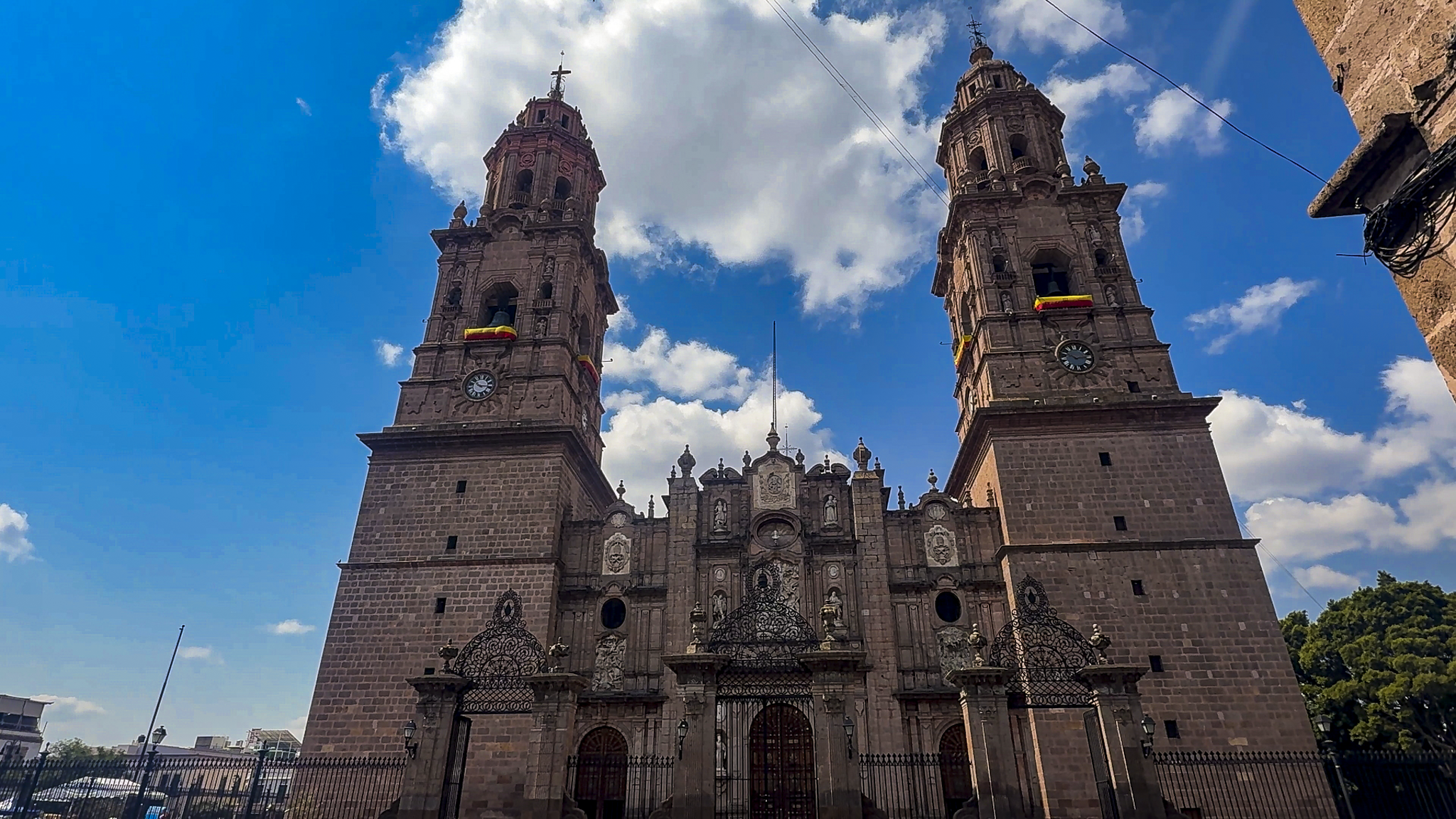
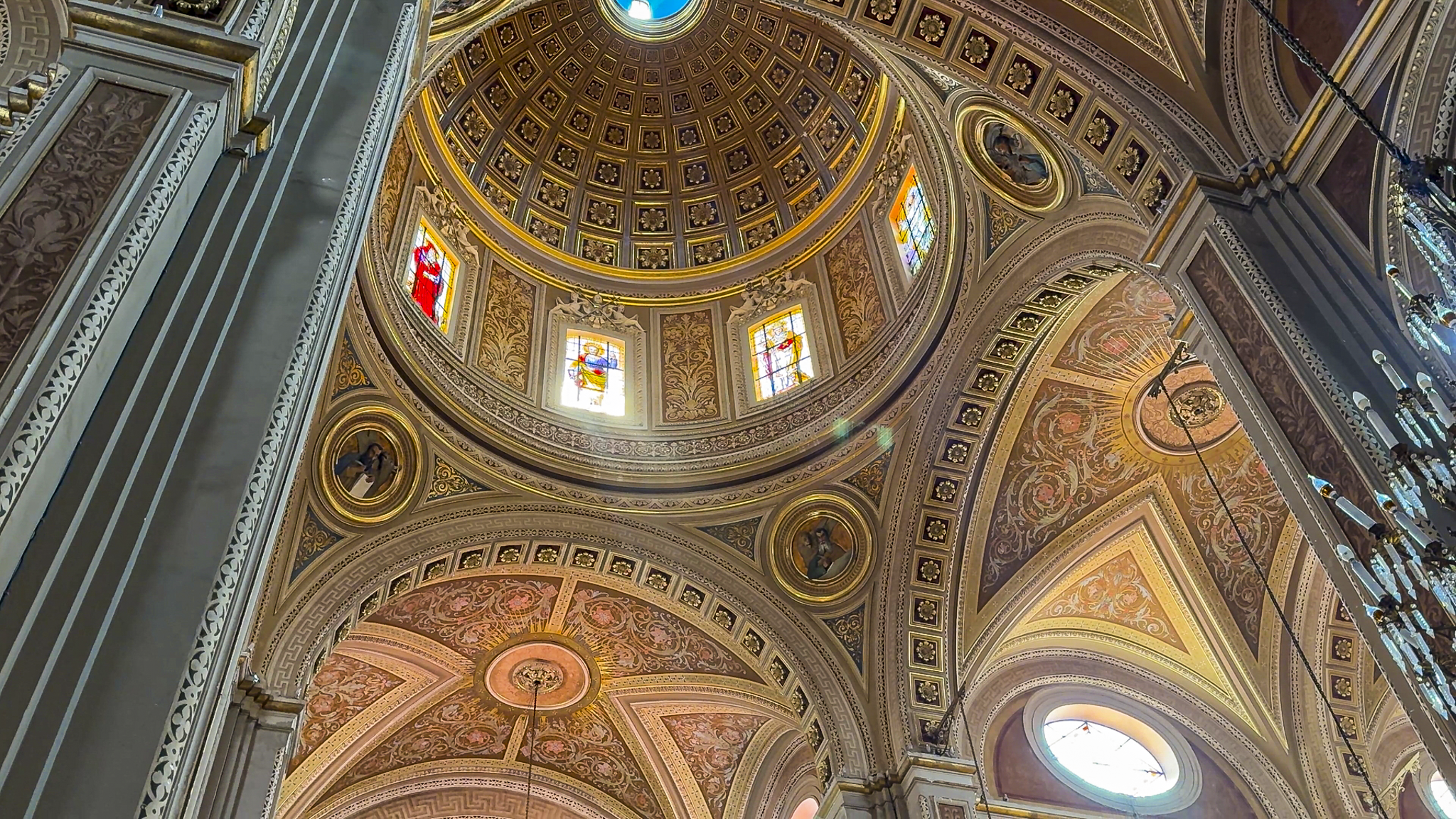
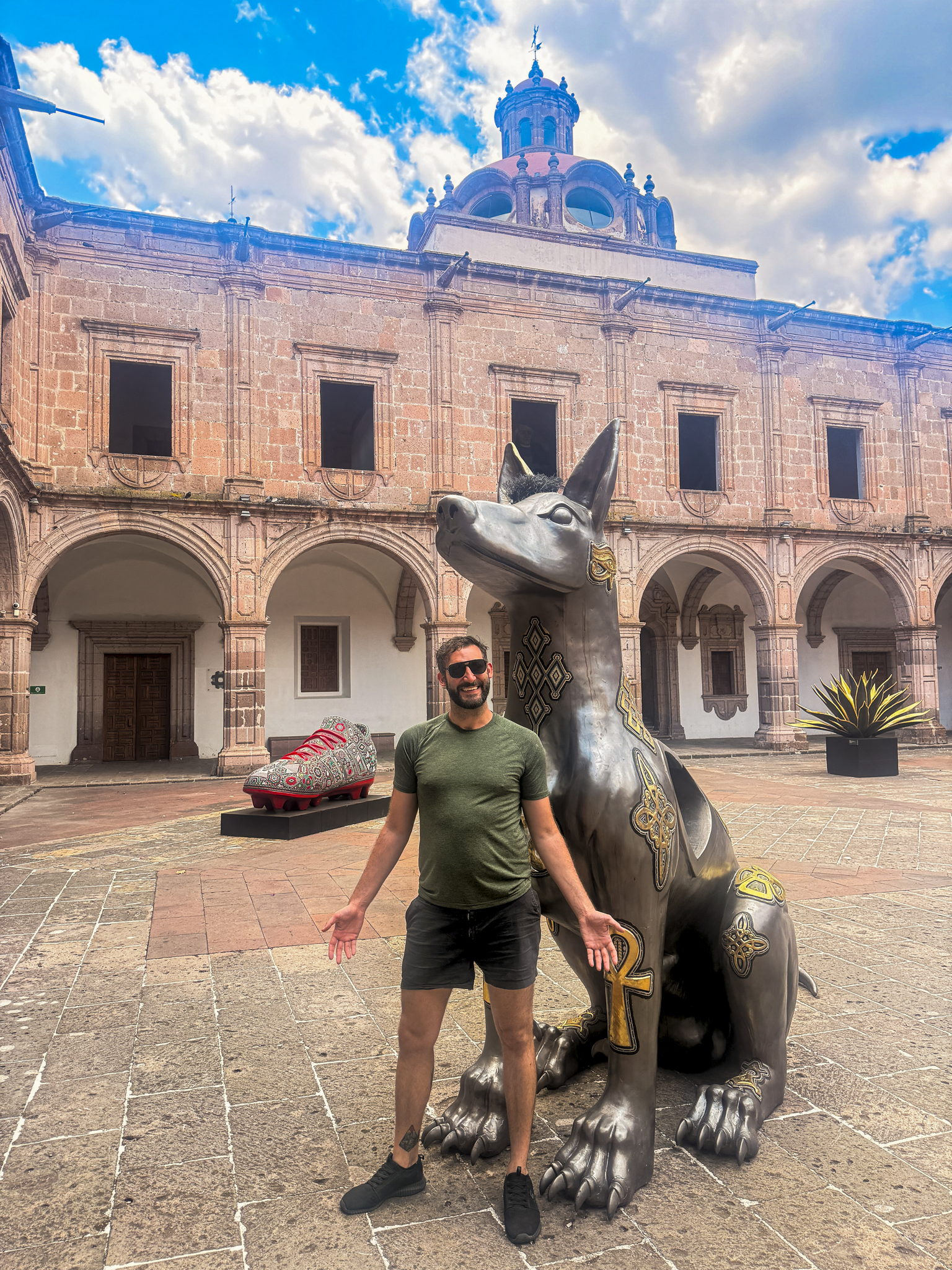
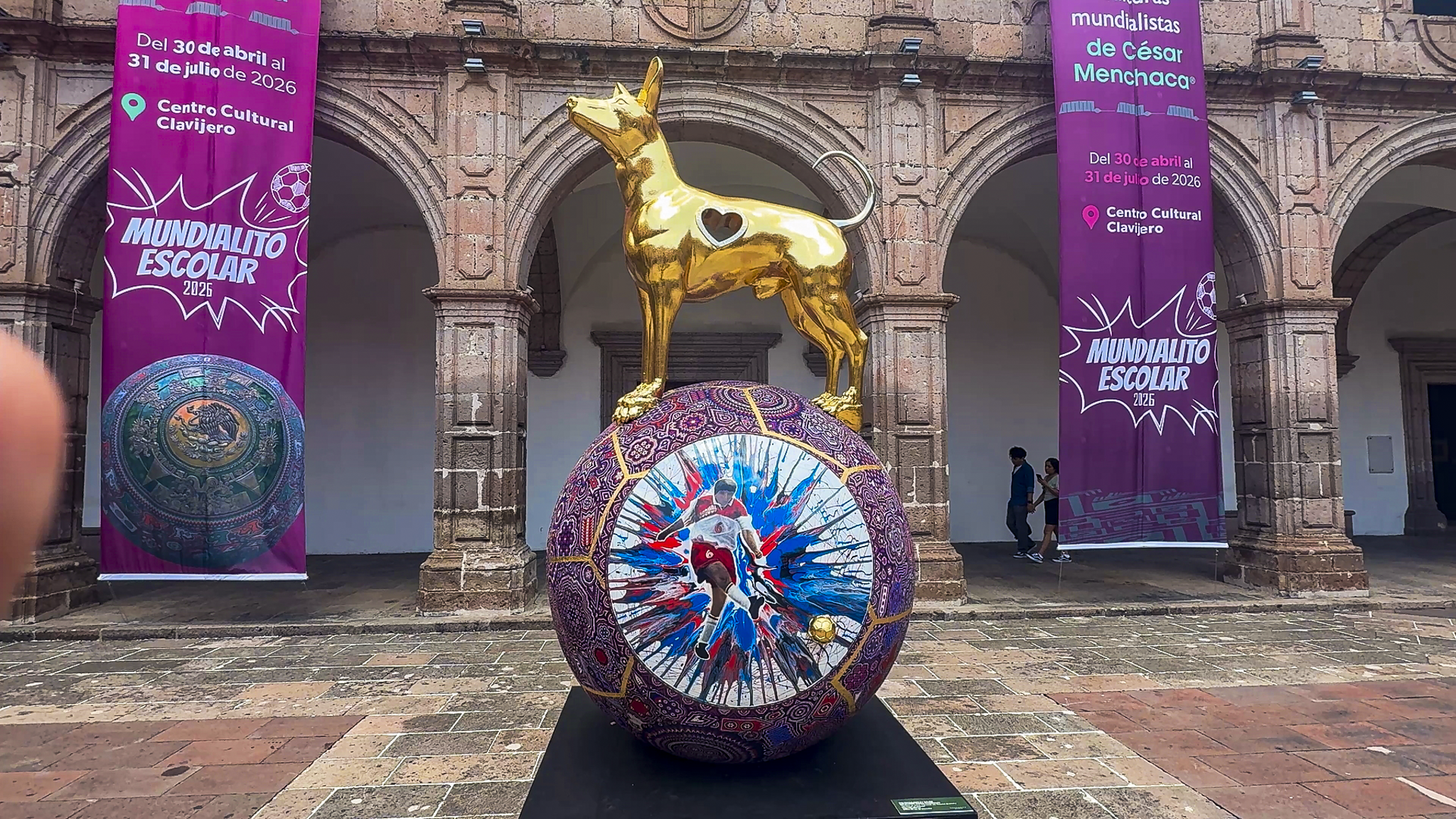
Yet even here, what lingered wasn't simply the buildings themselves, but the realization that people continue filling those spaces with culture, creativity, and community. Citizens meet weekly at the base of the cathedral for a fireworks display. Buskers enter shops and entertain guests as they come and go.
Without a heartbeat like that, architecture is just architecture.
Preserving culture through food
No culture would be complete without food, and Michoacán provides one of the strongest examples of cultural preservation at the table.
Throughout the state, food felt less like a meal and more like a continuation of the stories I had already encountered in artisan workshops and markets. Villagómez isn't the only one offering recipes passed down through generations. The ingredients reflect local landscapes, and traditional techniques remain a staple in modern kitchens.
A shining example of that is found at La Conspiración de 1809 in Morelia.
Located inside the former home of Mariano Michelena—a key figure in Mexico’s War of Independence and also a critical member in introducing coffee to Mexico—the restaurant feels deeply connected to the city’s history before guests even open the menu.
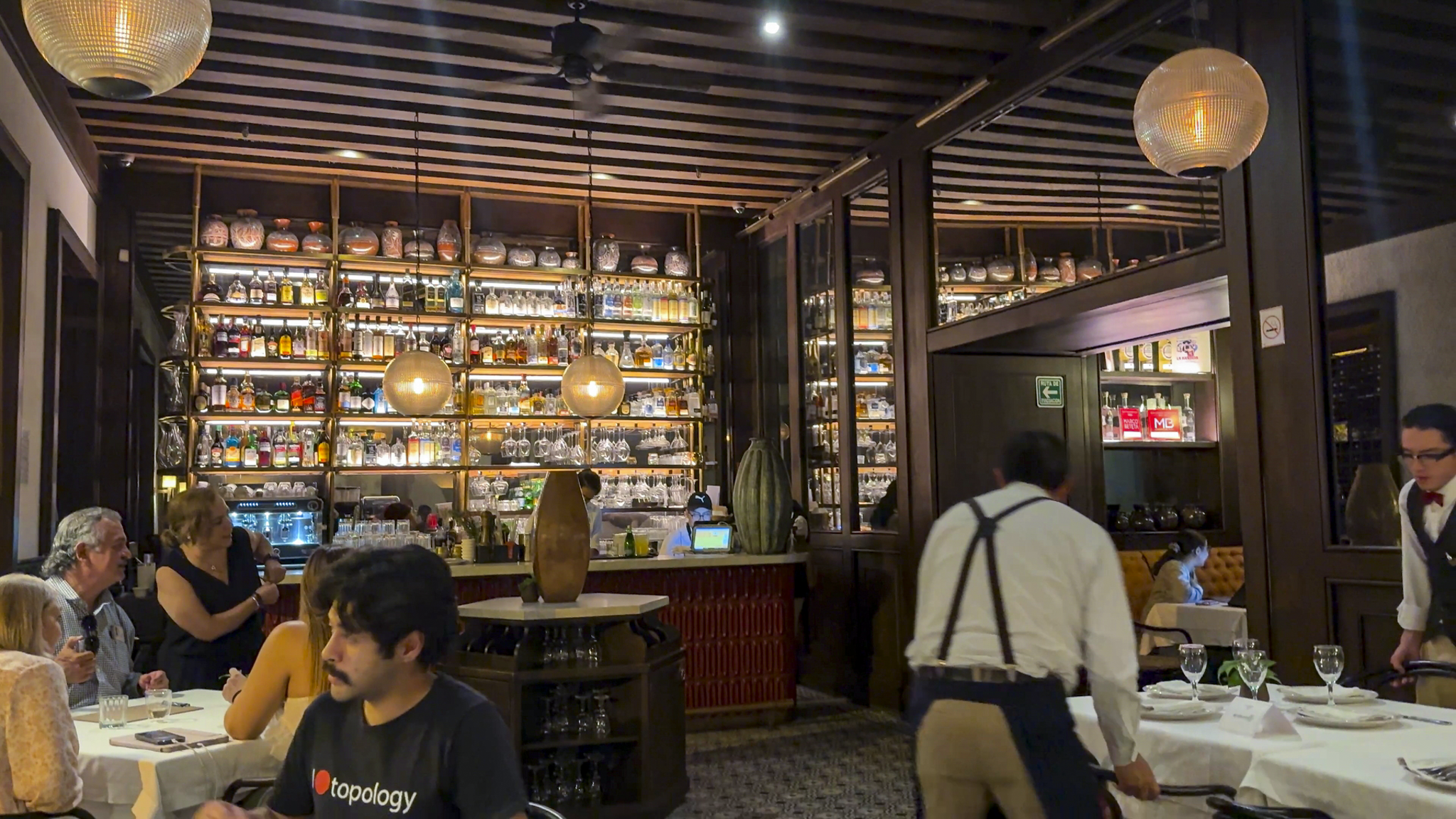
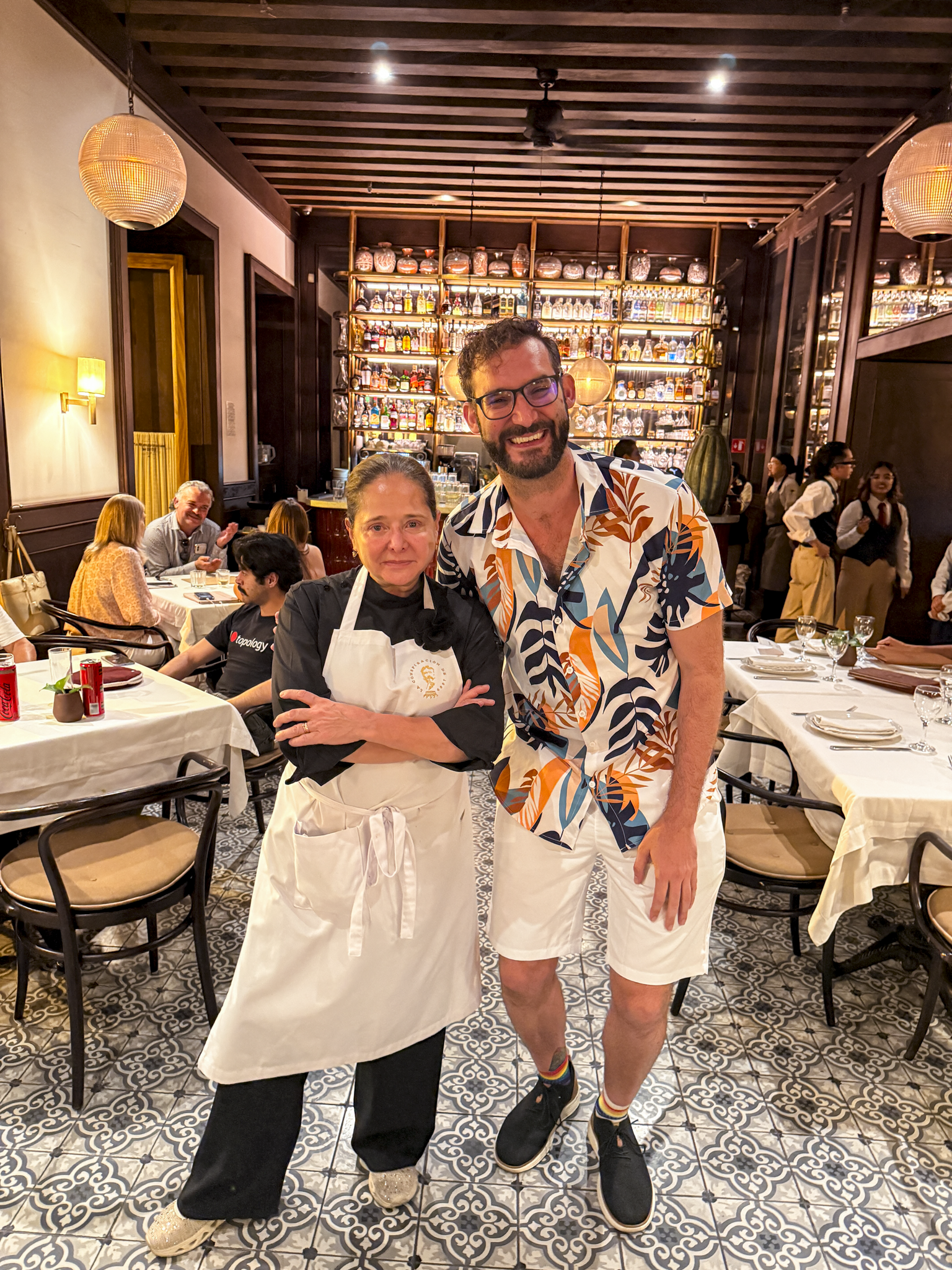
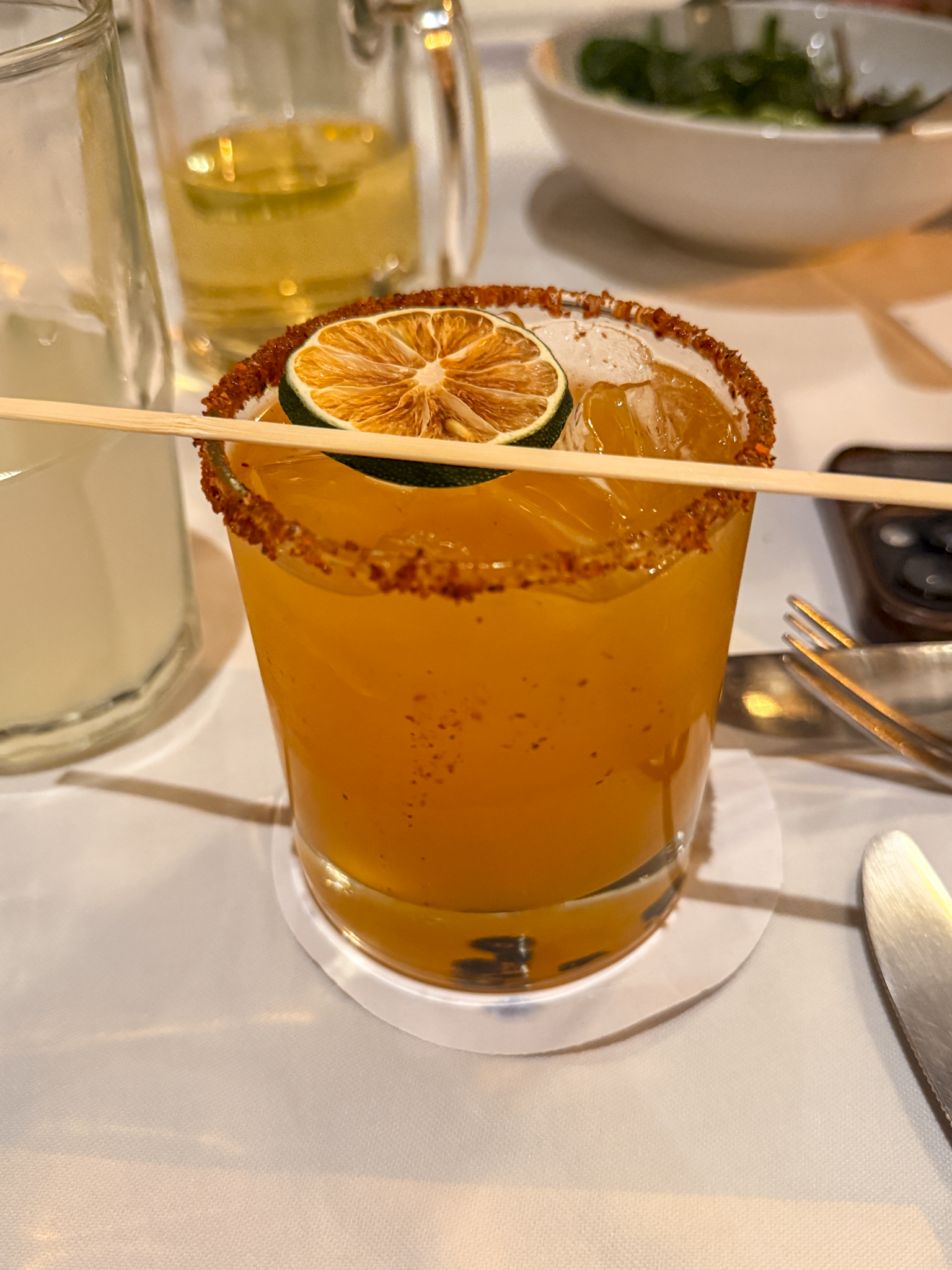
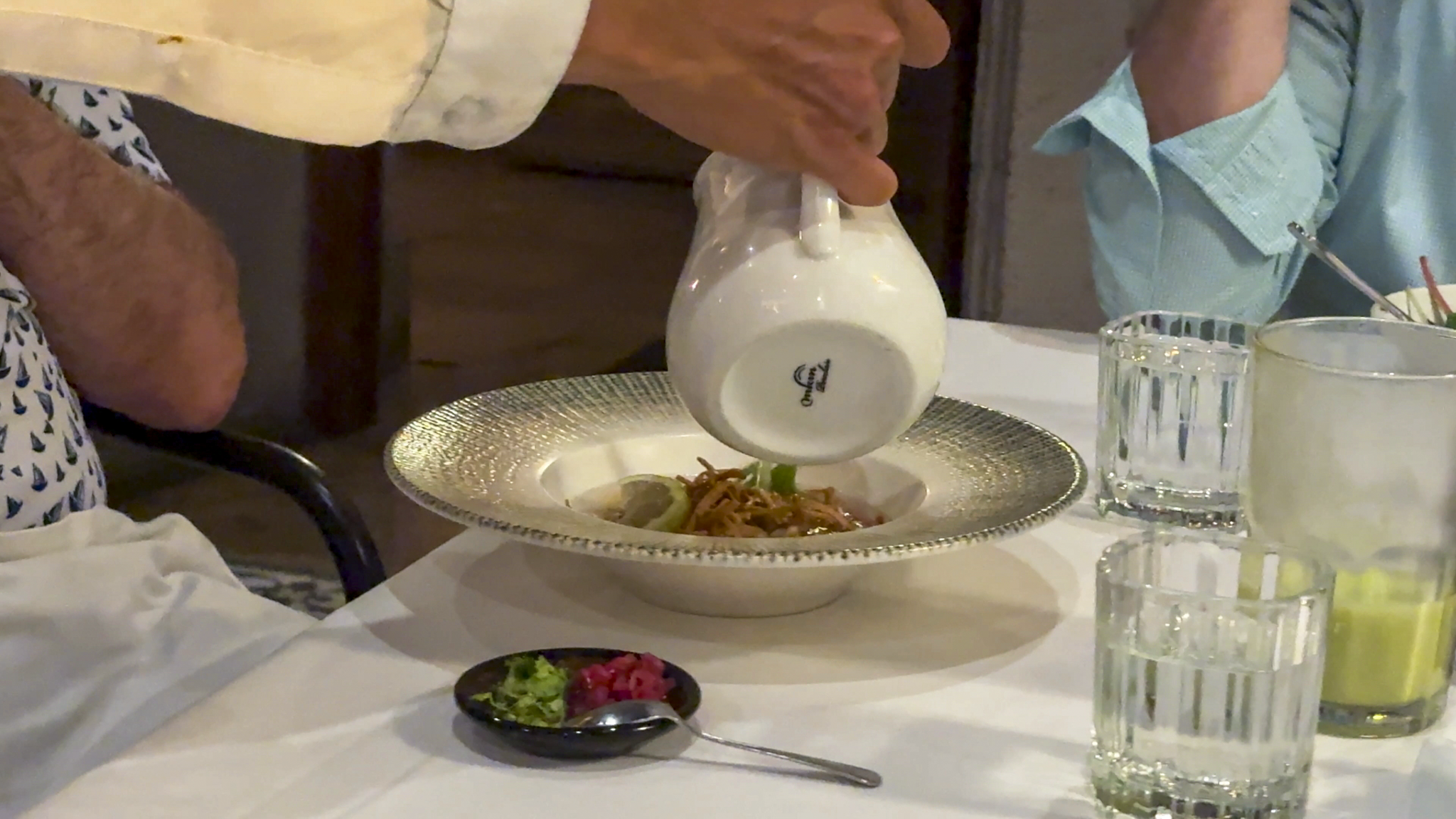
Chef Cynthia Martinez has spent nearly three decades studying, preserving, and promoting Mexican cuisine. While her restaurant celebrates traditional Michoacán flavors such as uchepos, corundas, and regional stews, her approach goes beyond simply recreating old recipes.
Martinez proves that chefs are more than cooks. They’re storytellers and researchers, responsible for carrying traditions forward while introducing them to new audiences.
That philosophy became obvious throughout the meal. Every dish felt rooted in the region while simultaneously showcasing the creativity that keeps traditions relevant rather than frozen in time.
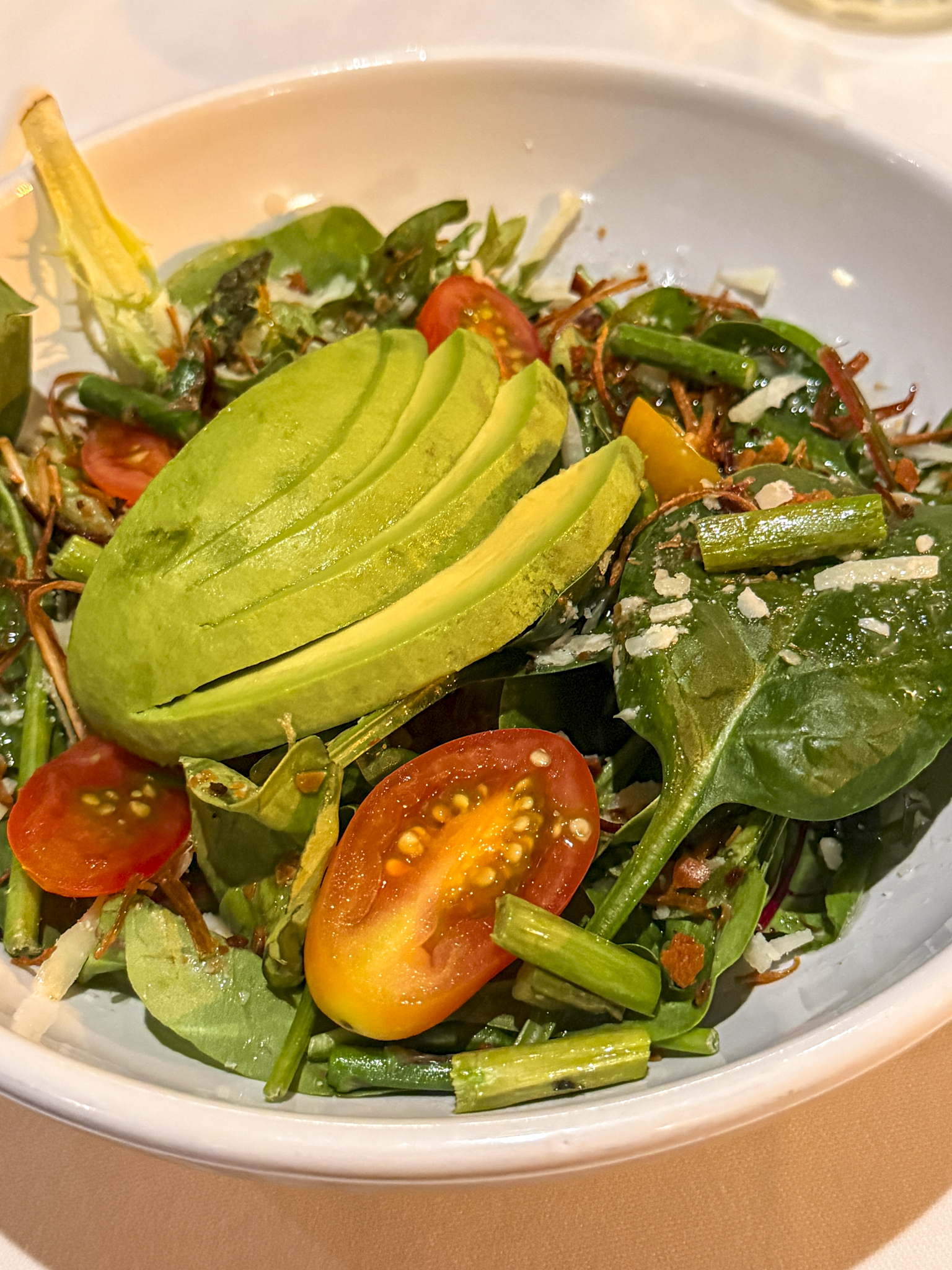
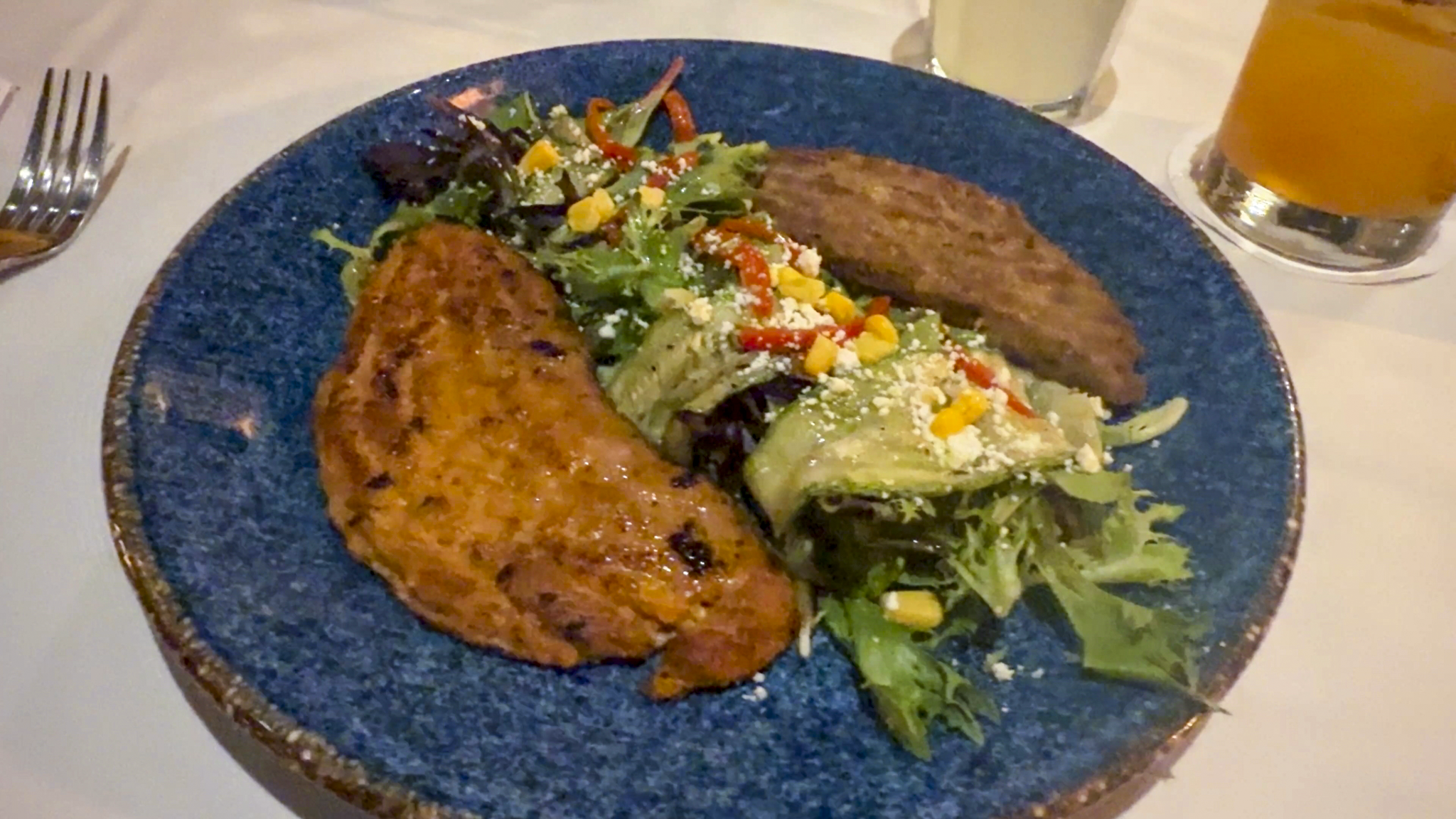
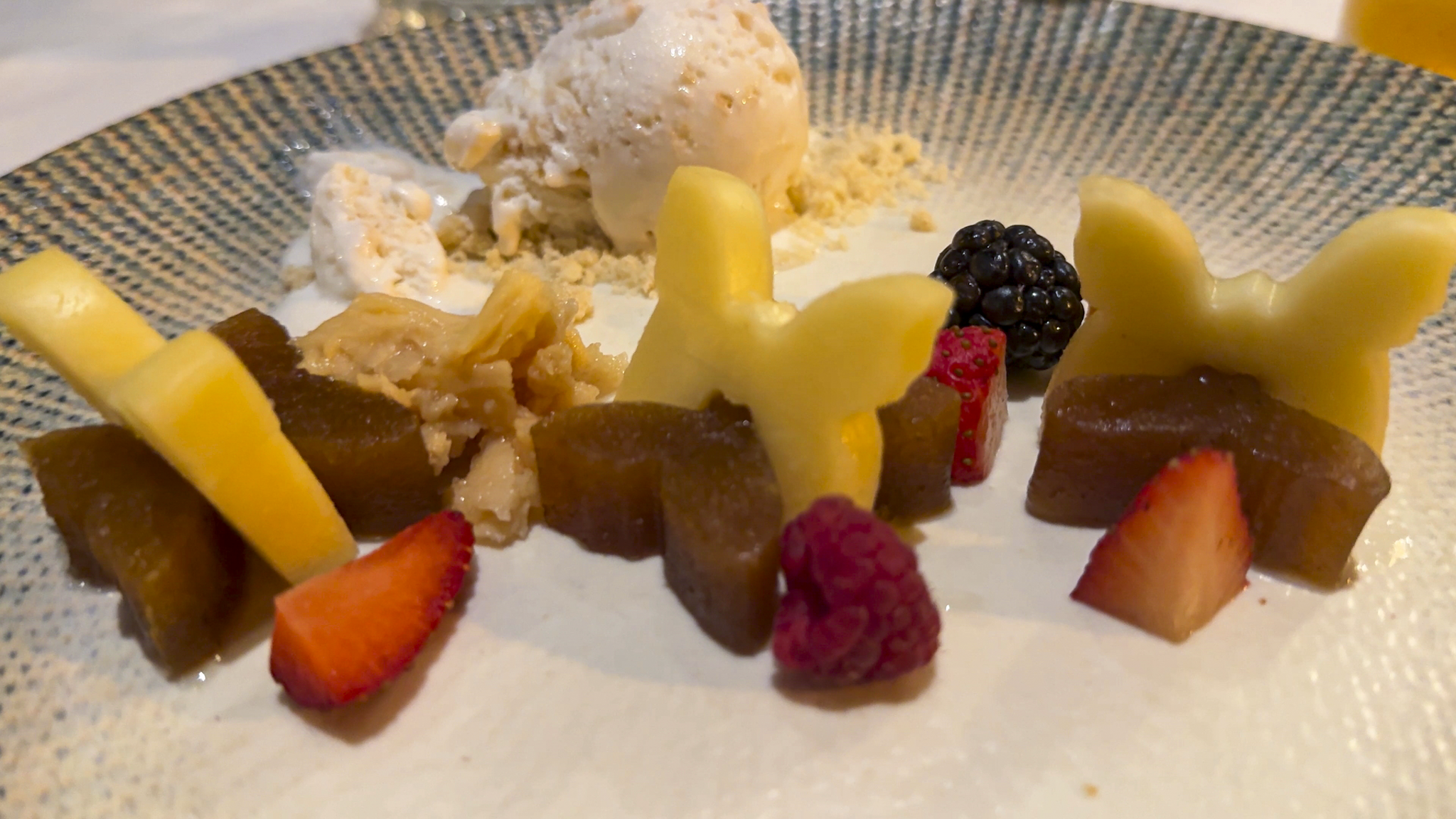
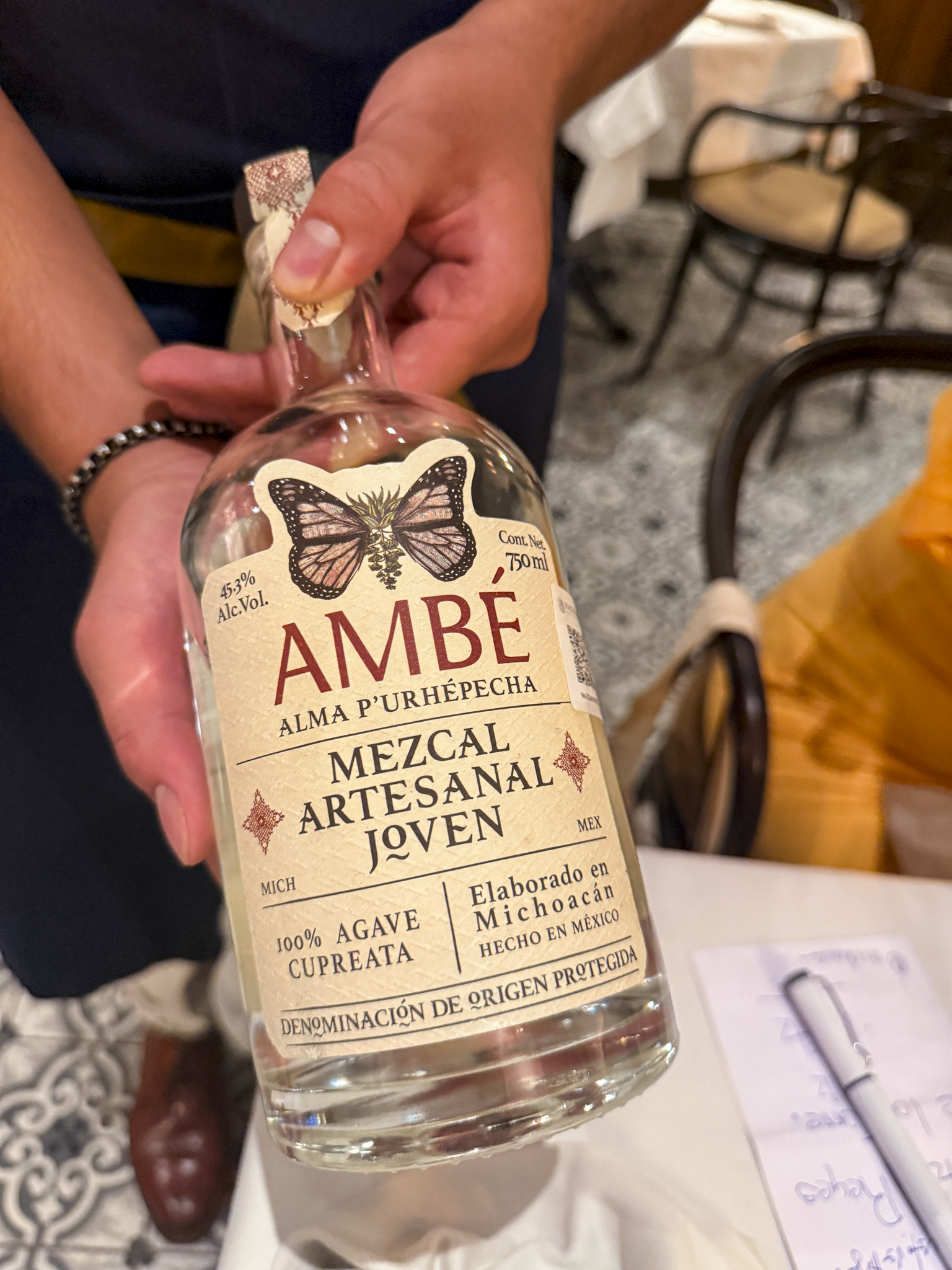
By the end of the evening, Martinez joined us for a mezcal tasting and an introduction to Morelia’s culinary identity. It felt less like dining at a restaurant and more like being welcomed into an ongoing conversation about Michoacán’s past, present, and future.
A taste of the legendary gaspacho
Before visiting Morelia, I thought gaspacho was a cold Spanish tomato soup.
That's only true when it's spelled with a "z". In Morelia, the "s" changes more than just the spelling, but turns the dish into something entirely different.
Sold throughout the city by street vendors and fruit shops, Morelian gaspacho combines finely diced fruit—typically mango, pineapple, and jícama—with lime juice, chili powder, hot sauce, and crumbled cheese.
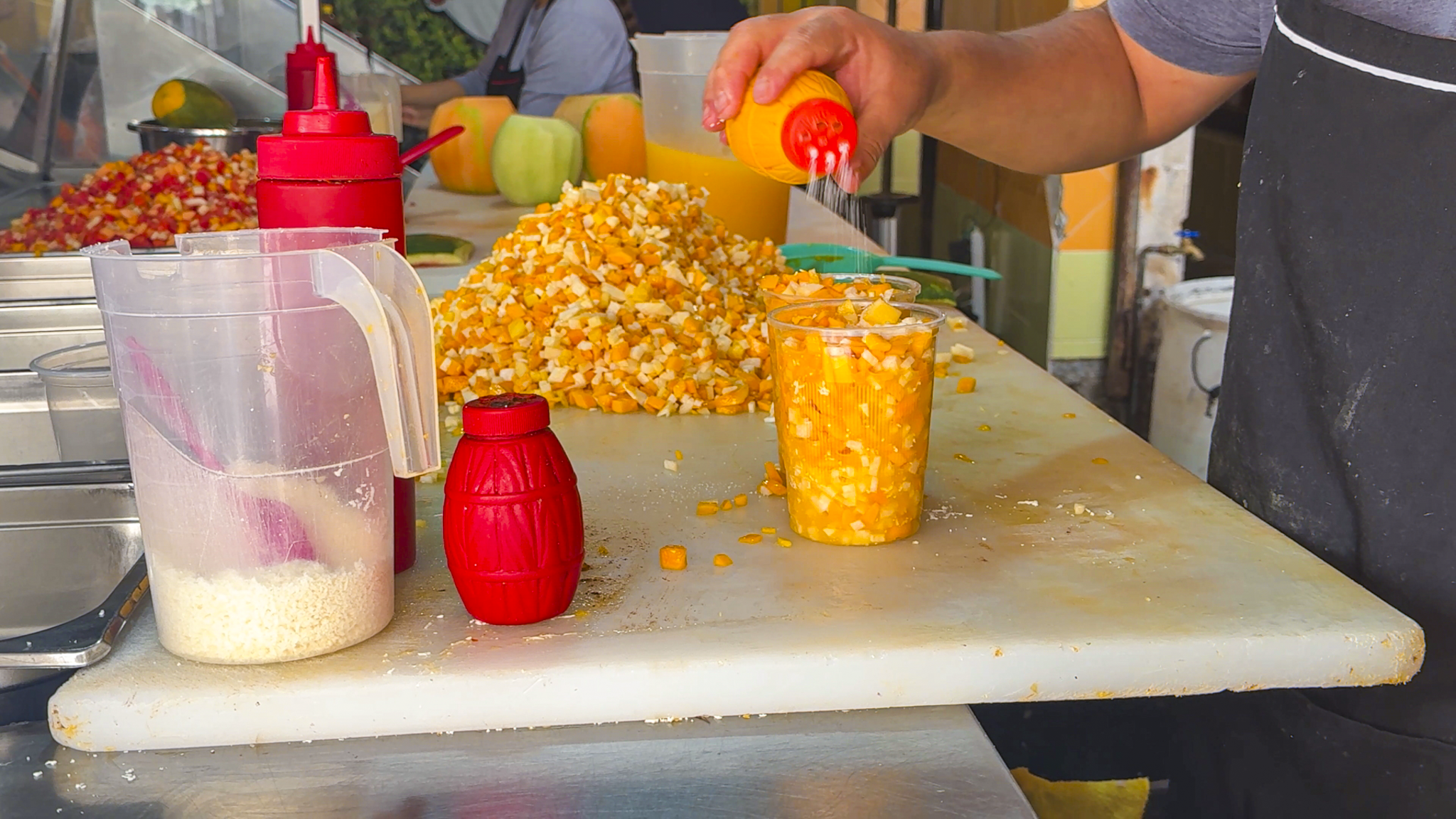
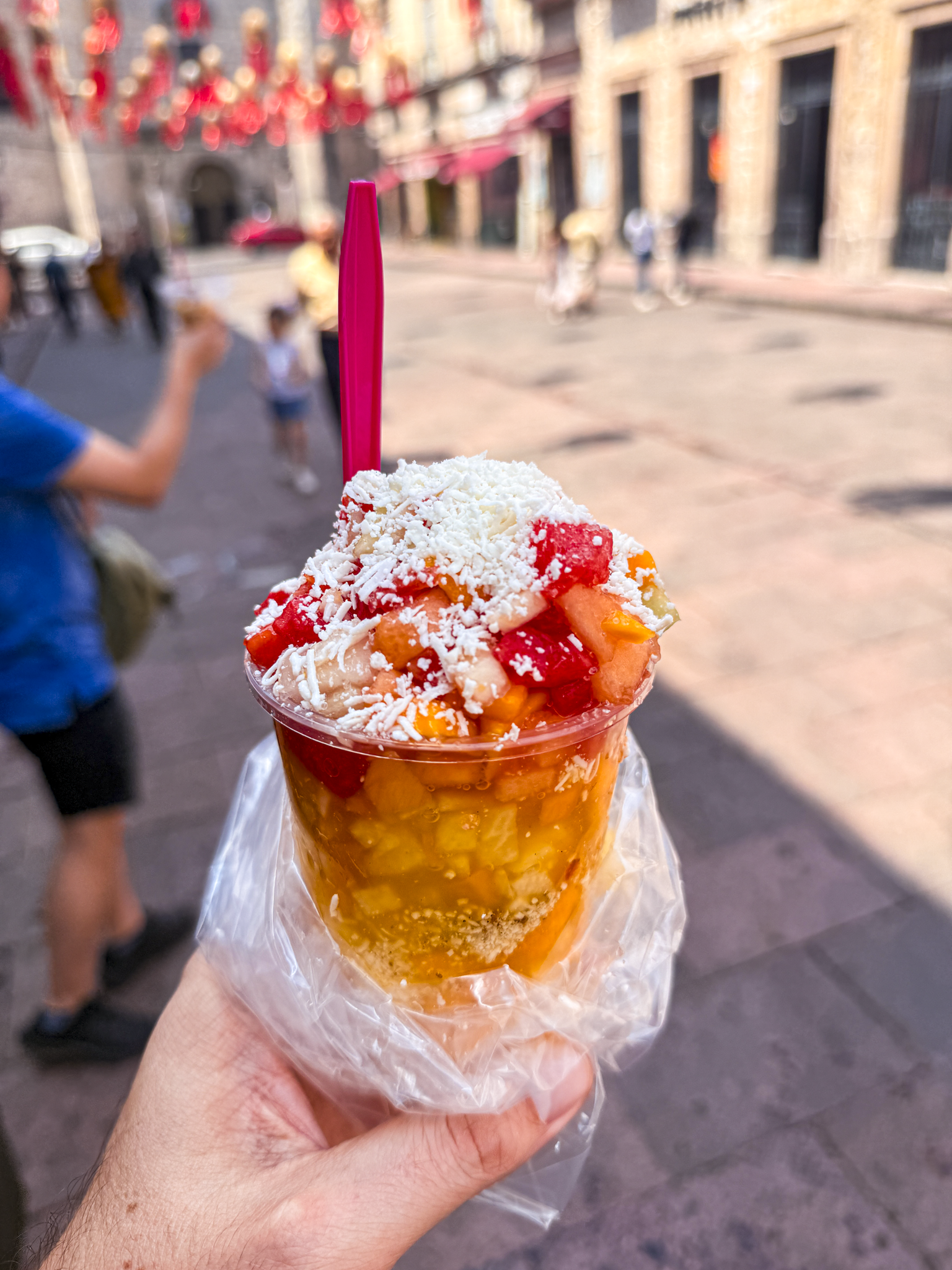
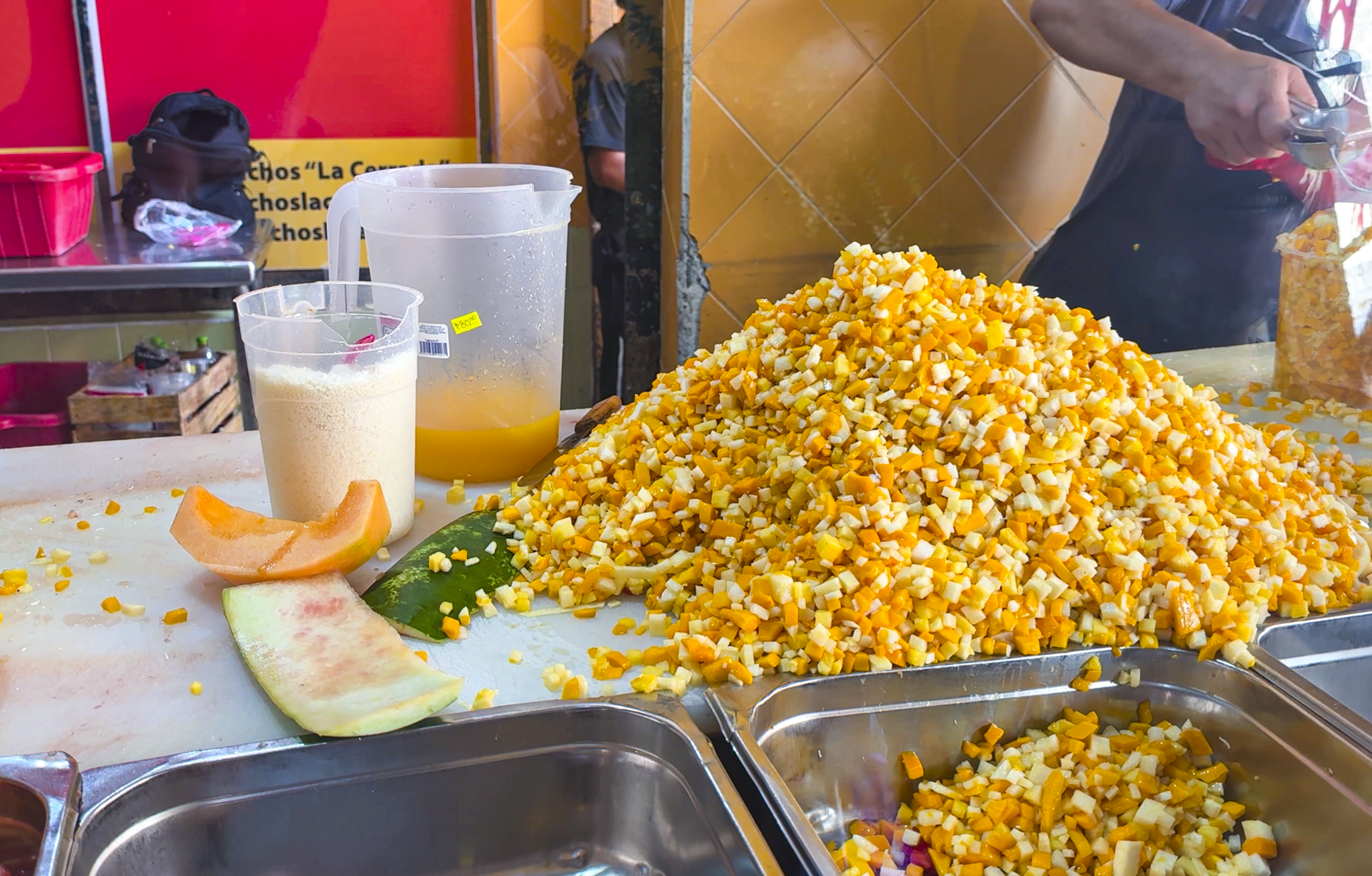
The result shouldn’t work, but they absolutely do. It's a refreshing blend of sweet, spicy, salty, and tangy, and it's easily one of the best (and, allegedly, "healthiest") treats around.
I tried mine at Gaspachos Frutería Sandoval, one of the city’s most popular spots for the snack. Walking through Morelia with a cup in hand, I could see why locals have embraced it for decades.
Local lore traces its origins to the 1970s, when a customer asked a fruit vendor to chop his fruit into smaller pieces so it would be easier to eat while walking. Whether the story is true or not, the result has become one of Morelia’s most beloved culinary traditions.
Does Michoacán live up to the "Soul of Mexico" claim?
When I arrived in Michoacán, I wasn't sure what to expect from a destination that calls itself The Soul of Mexico.
It's a bold claim, but not one that feels too far-fetched.
Four days of exploration took me through Morelia, Pátzcuaro, Tzintzuntzan, and Capula. I'm still not sure any one place can truly represent the soul of an entire country, but I know that Michoacán makes the argument.
As beautiful as they are, it's not the architecture of Morelia's cathedral or the view from the Porton del Cielo terrace overlooking Lake Pátzcuaro that makes Michoacán feel special.
It's the people within it who keep the traditions alive.
It's Juan Torres Calderón making a living through the expression of his art, explaining the history behind the Catrinas, while I tried not to ruin my own painted figure.
It's Blanca Delia Villagómez Estrada laughing as my handmade tortilla rapidly lost the battle against gravity, then quickly rolling up another one so I could try again.
It's Chef Cynthia Martinez telling stories about Michoacán's culinary traditions over mezcal, demonstrating that culture can be expressed just as clearly on a plate as in words.
The things that make Michoacán memorable aren't preserved in museums or locked away behind glass.
They're kept alive by people who continue practicing them every day.
My painted Catrina now sits on a shelf at home.
It's far from the most valuable piece in the workshop where I painted it, but whenever I look at it, I'm reminded that the true souvenir from Michoacán wasn't the figure itself.
It was the people whose hands continue shaping the traditions that make this corner of Mexico come alive.
And if there is such a thing as the soul of a place, I suspect that's where you'll find it.