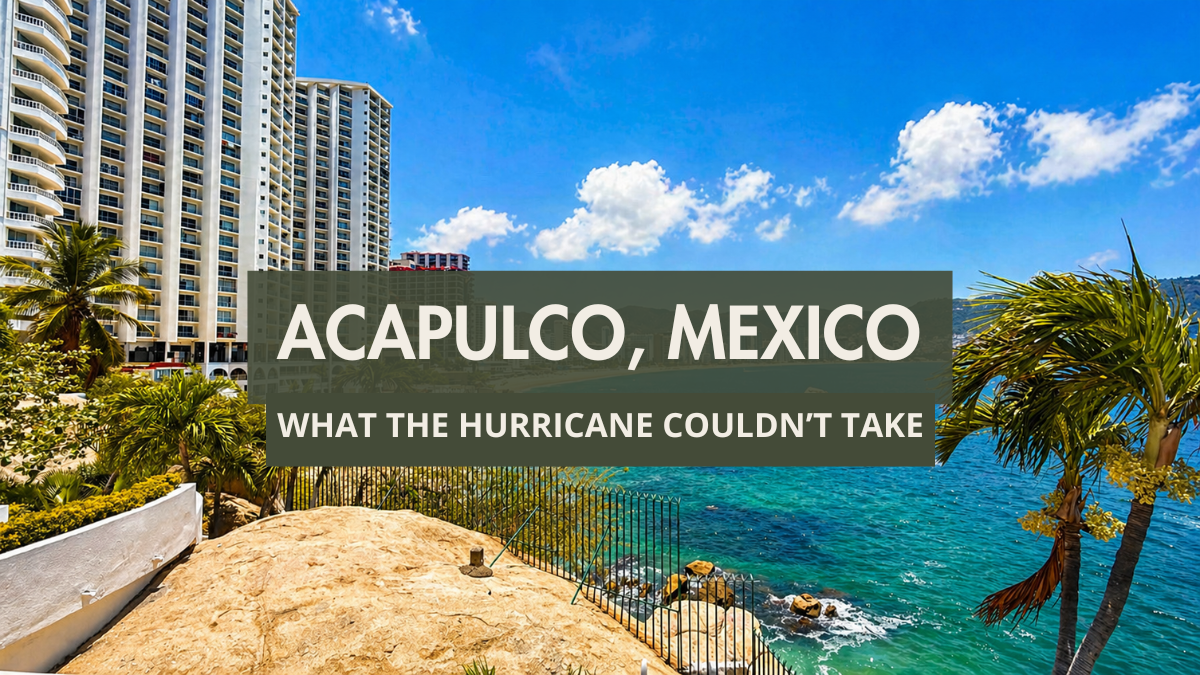
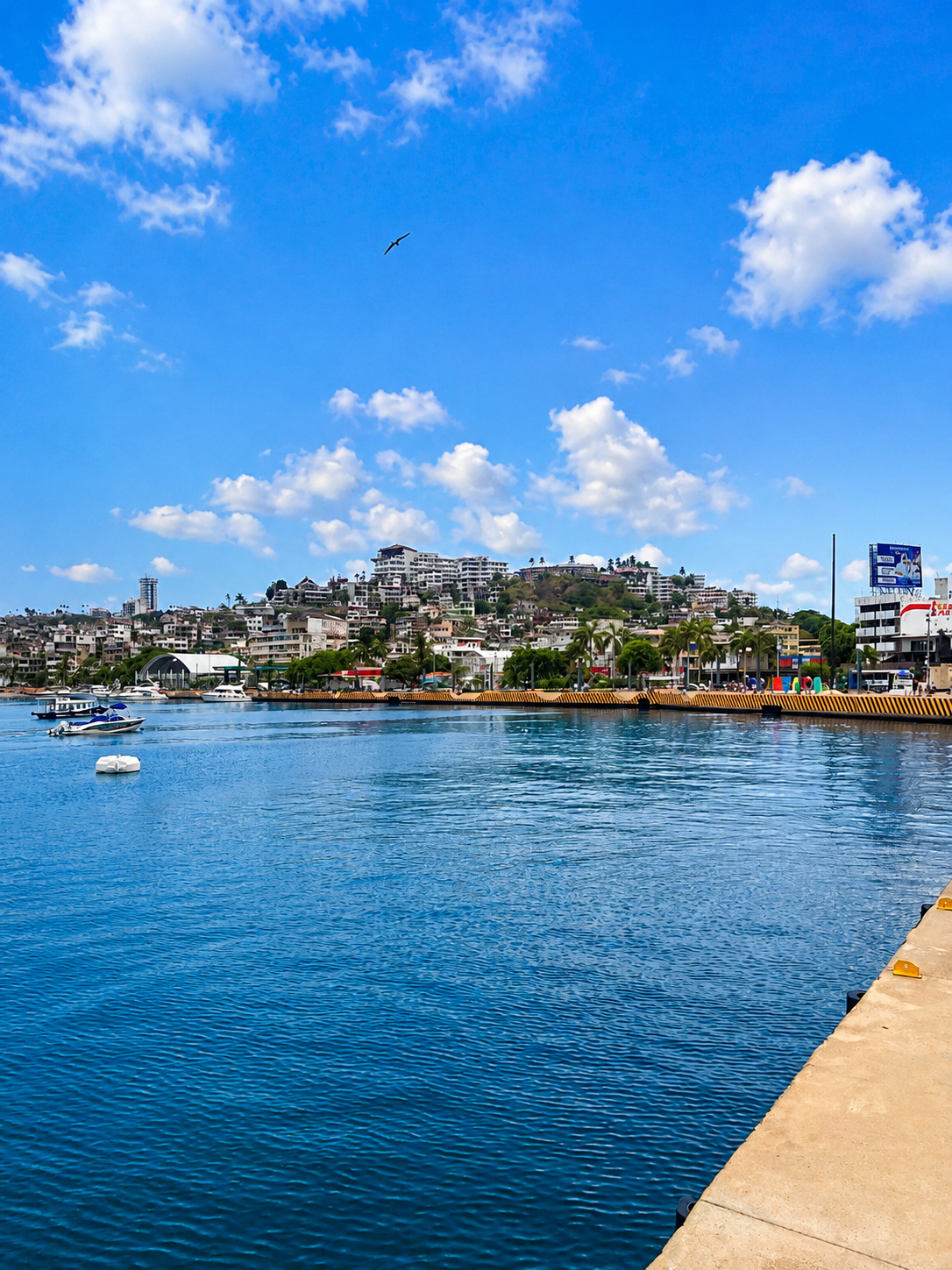
The first time I visited Acapulco, six months after Hurricane Otis made landfall in 2024, the city remained all but flattened.
Hotels stood stripped to their concrete skeletons. Towering buildings overlooked the bay with shattered windows and empty rooms. Residents spoke about the night the storm arrived with little warning, transforming from a tropical storm into one of the strongest hurricanes ever recorded in the Pacific.
My first visit to Acapulco
I remember walking the streets, wondering how long recovery could possibly take. The only time I’d seen a city so destroyed was in Christchurch, New Zealand, four years after a fault line ruptured beneath the city and unleashed one of the largest earthquakes in the country’s history. Even then, years later, buildings still lay in rubble, streets remained unpaved, and the community was still piecing its life back together.
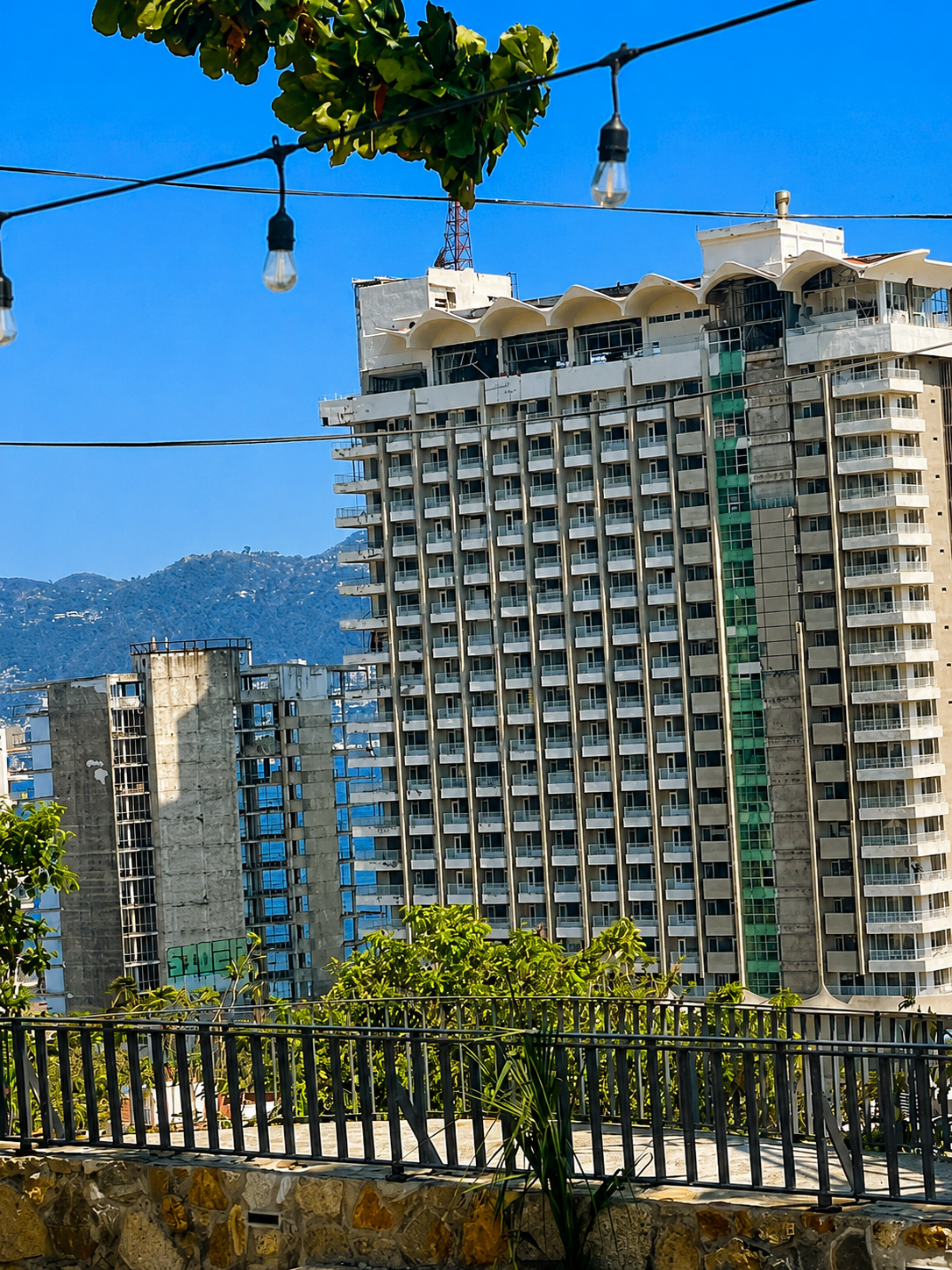
I expected the same, or at least similar, in Acapulco. When I returned with the press two years later for the 50th edition of Tianguis Turístico in 2026, I assumed there would be progress, but I wasn’t prepared for the complete turnaround I got instead.
What the storm couldn’t take
Acapulco isn’t trying to convince visitors that everything is fixed, but rather focuses on reminding them what still remains.
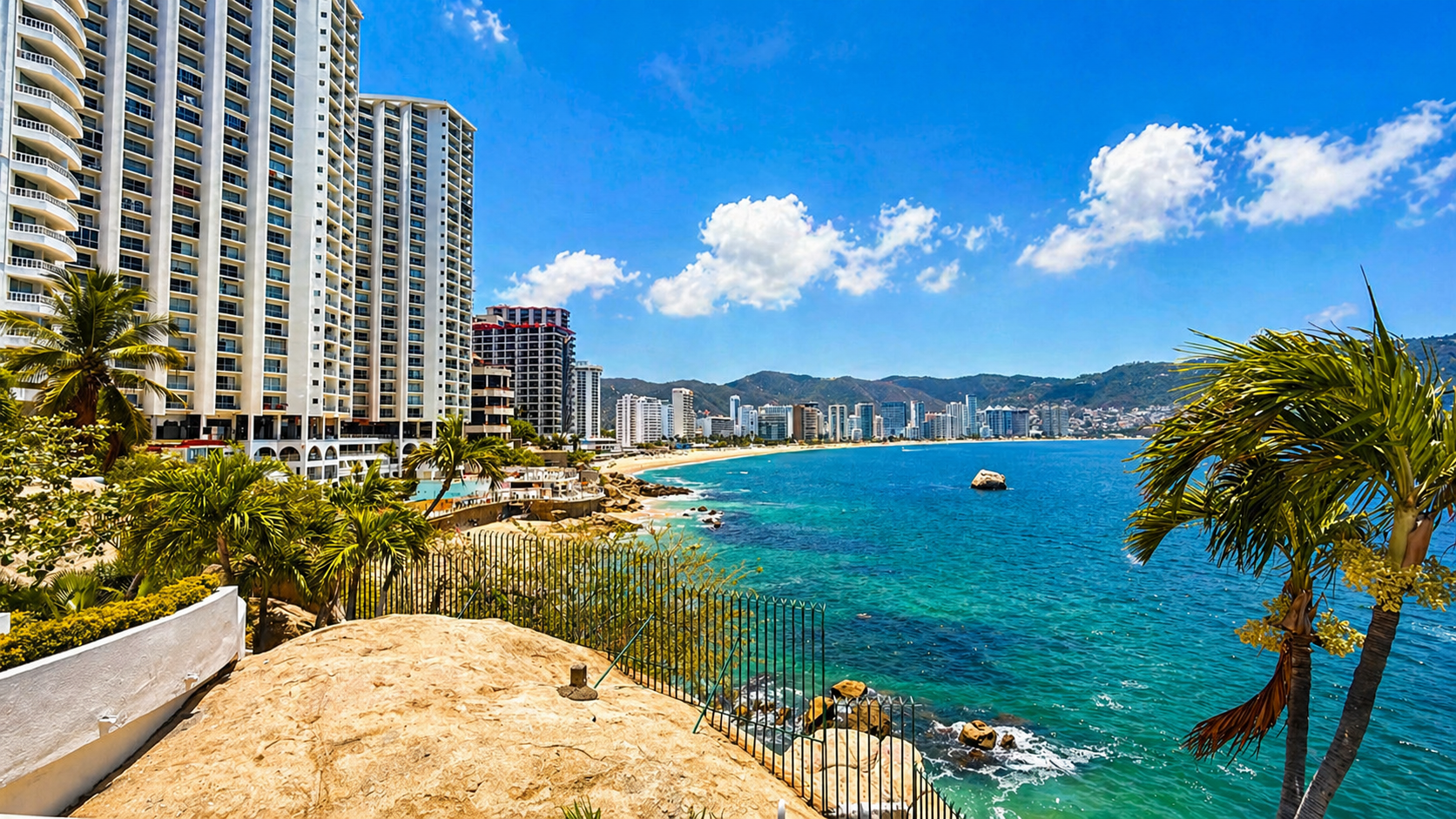

The first clue came at Hotel Amares, formerly the iconic Calinda Acapulco. Severely damaged by Hurricane Otis, the property reopened in 2024 with a new name and identity. Standing on the beach overlooking the bay, the Amares was only one of a string of properties that stood as a symbol that the rebuild wasn’t “coming”. It’s already here.
But the story of Acapulco's recovery isn't found in hotels.
It’s found in the things the city chooses to share.
Preserving what remains
At Acapulco's Botanical Garden, volunteers continue restoring a landscape that suffered extensive damage during the storm. Many of the trees that once shaded the grounds were stripped bare, and parts of the ecosystem took months to begin regrowth.
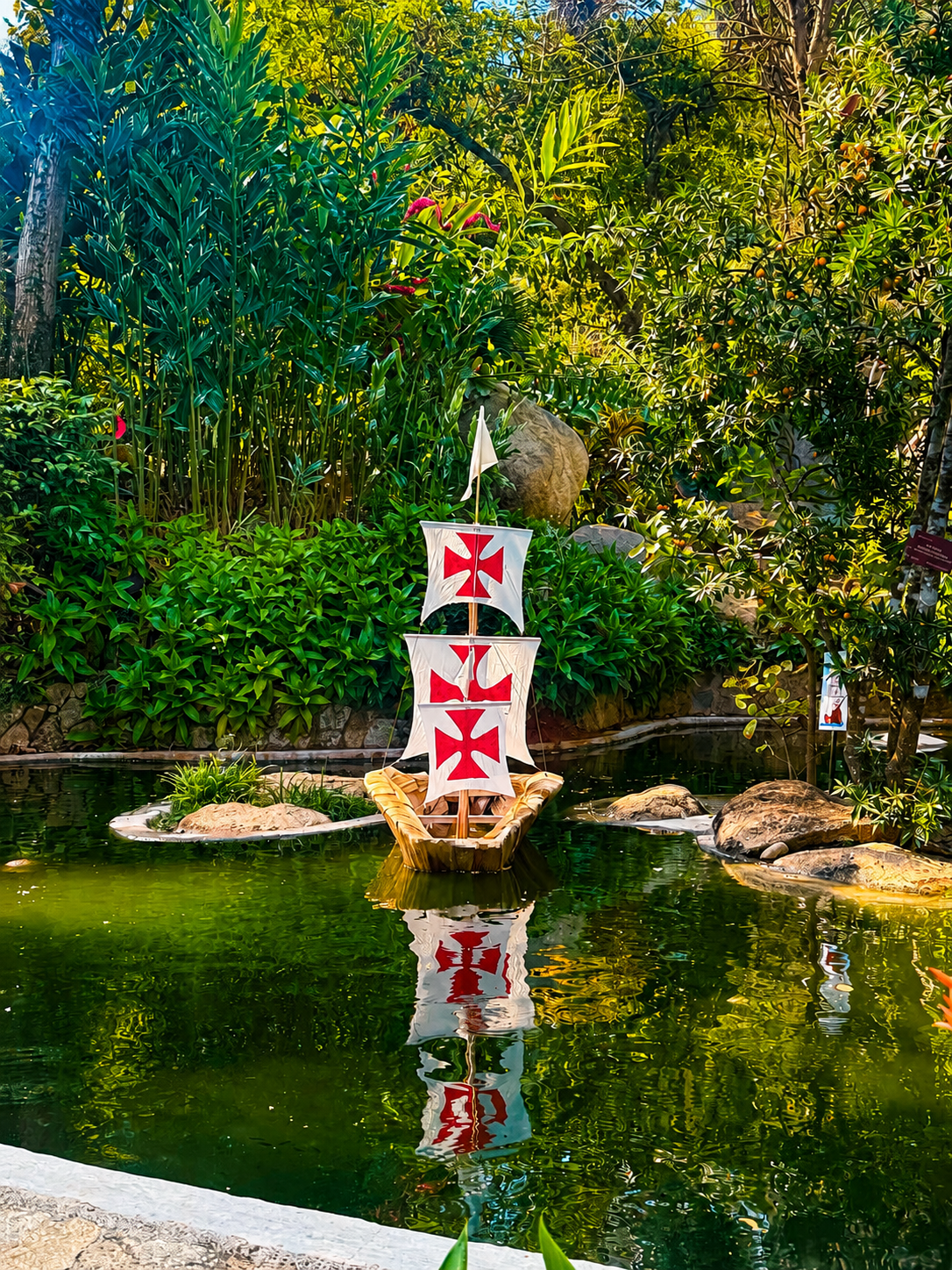
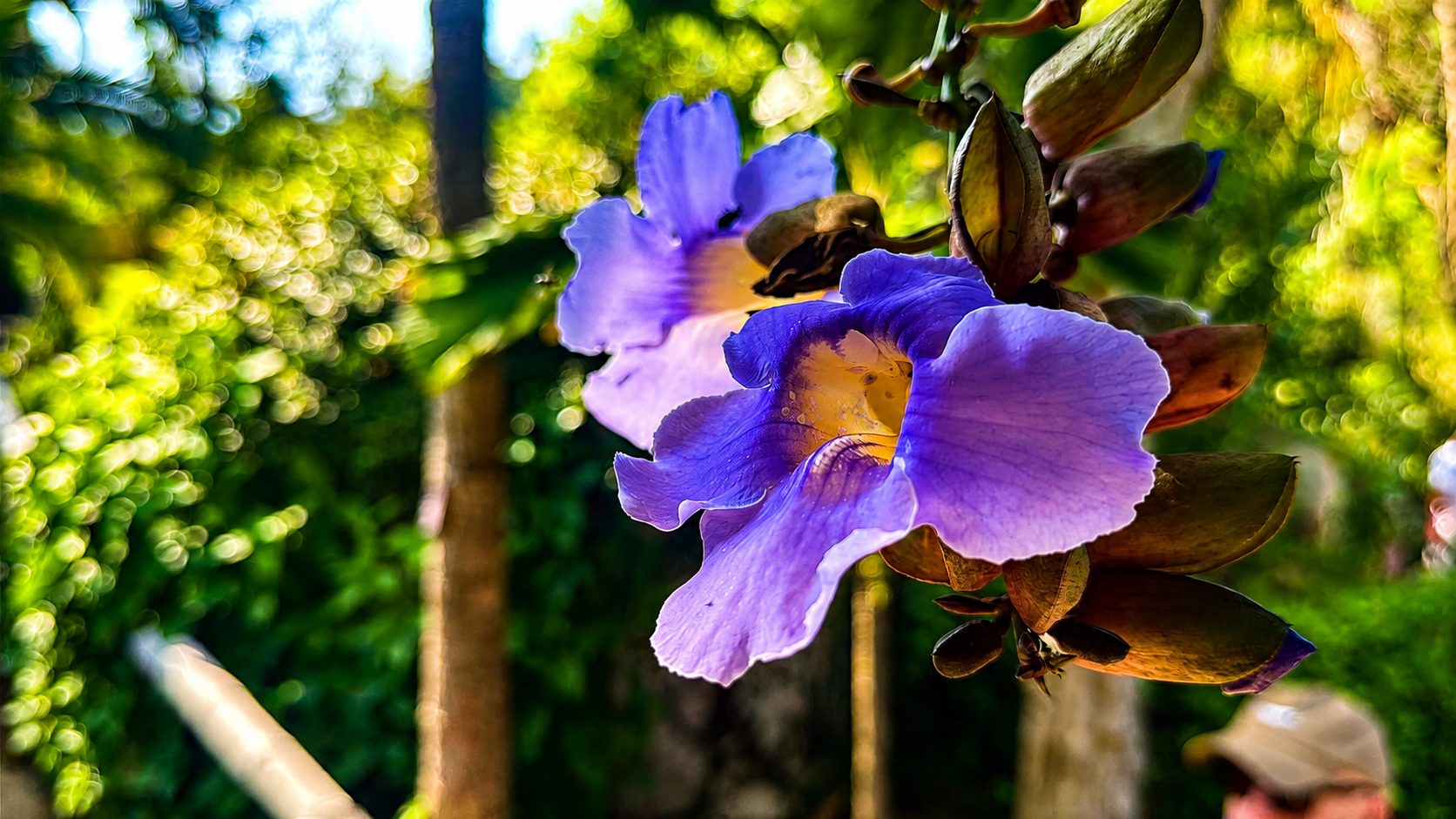

Walking through the grounds today, it’s difficult to imagine that devastation, even though I saw it first-hand.
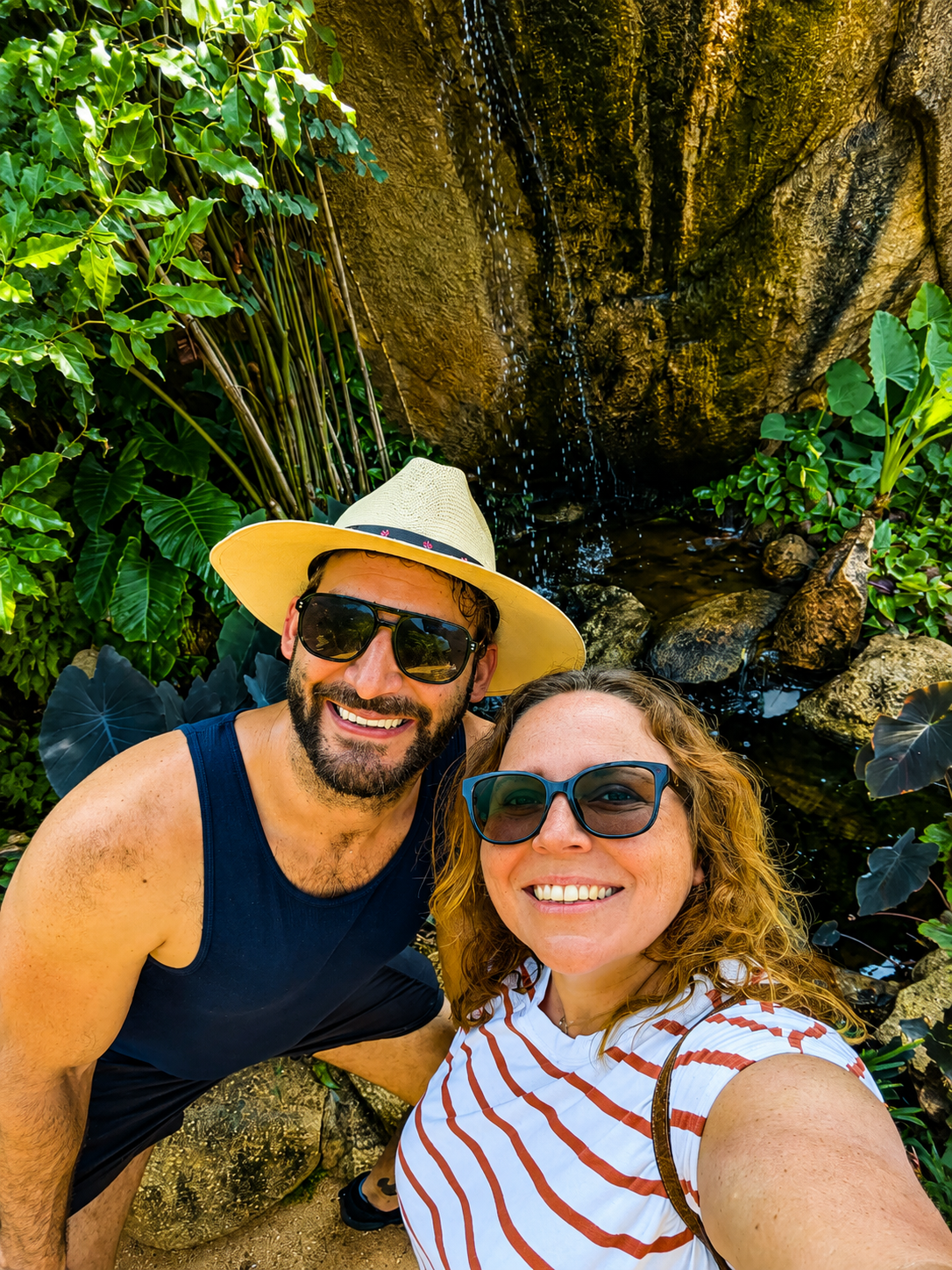
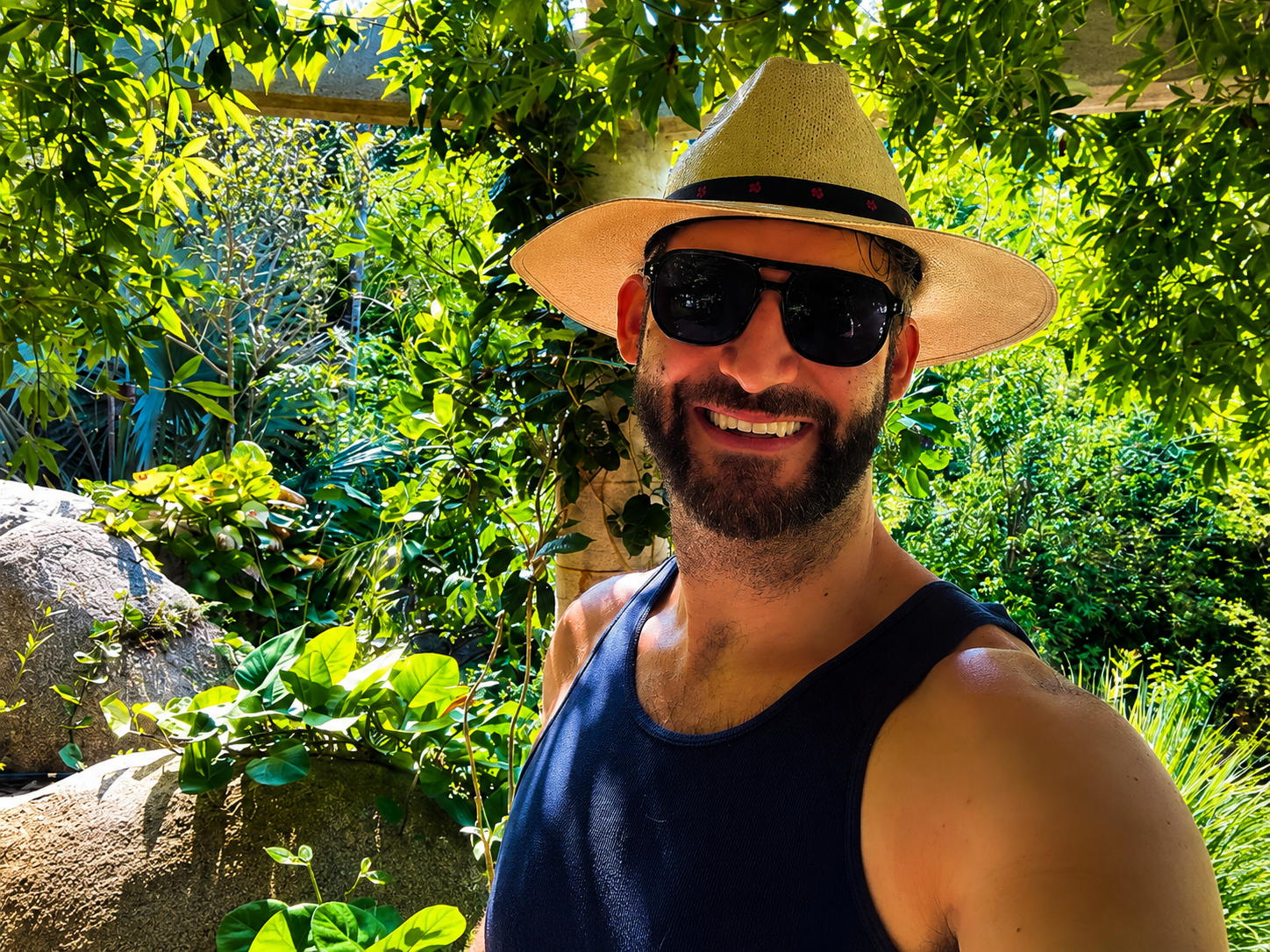
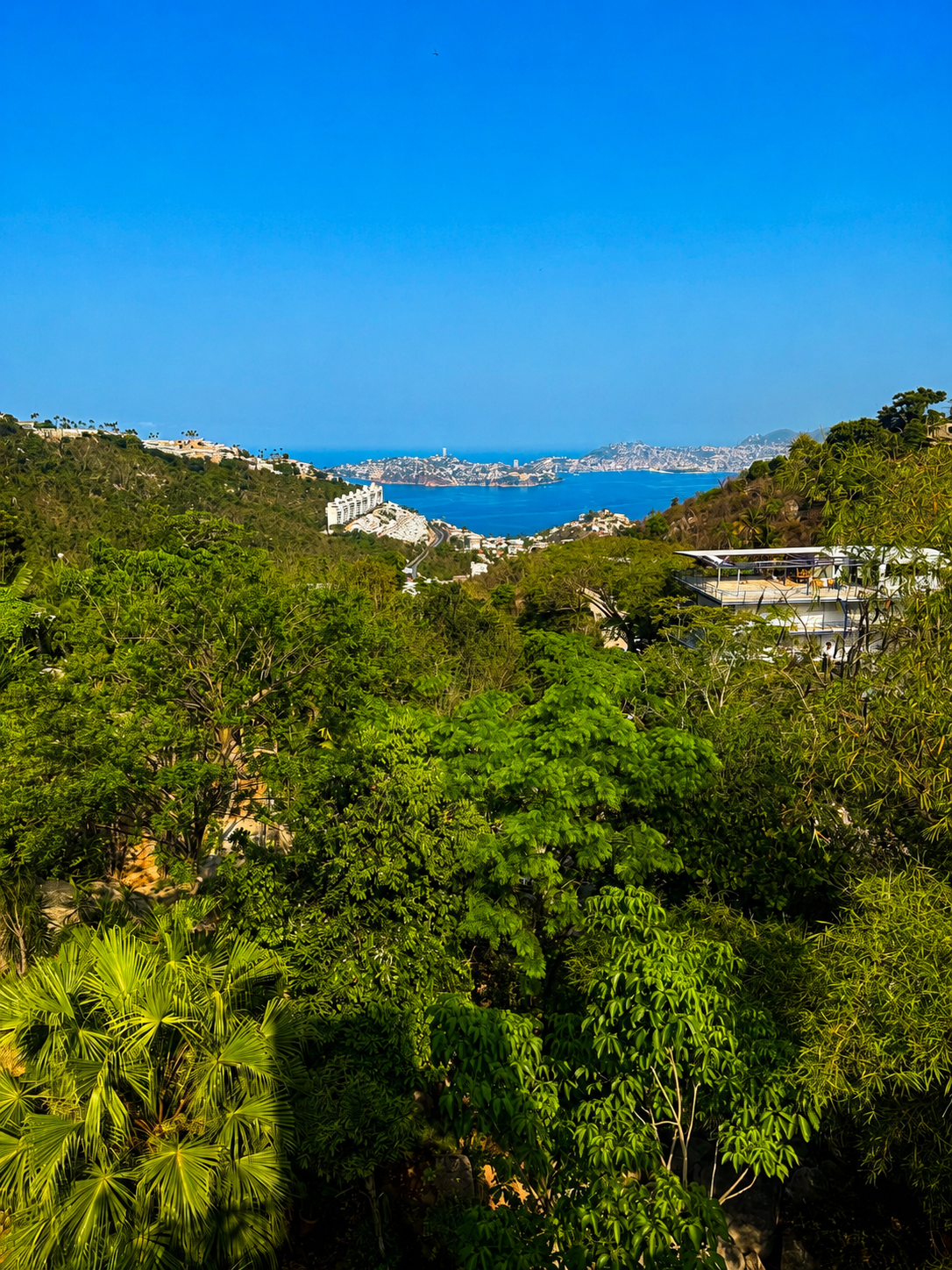
New life fills many of the spaces left behind, and the work continues not only to restore what was lost, but to preserve the biodiversity that makes the region unique. The gardens show that recuperation isn’t limited to buildings, but also in trees replanted, habitats restored, and ecosystems slowly returning.
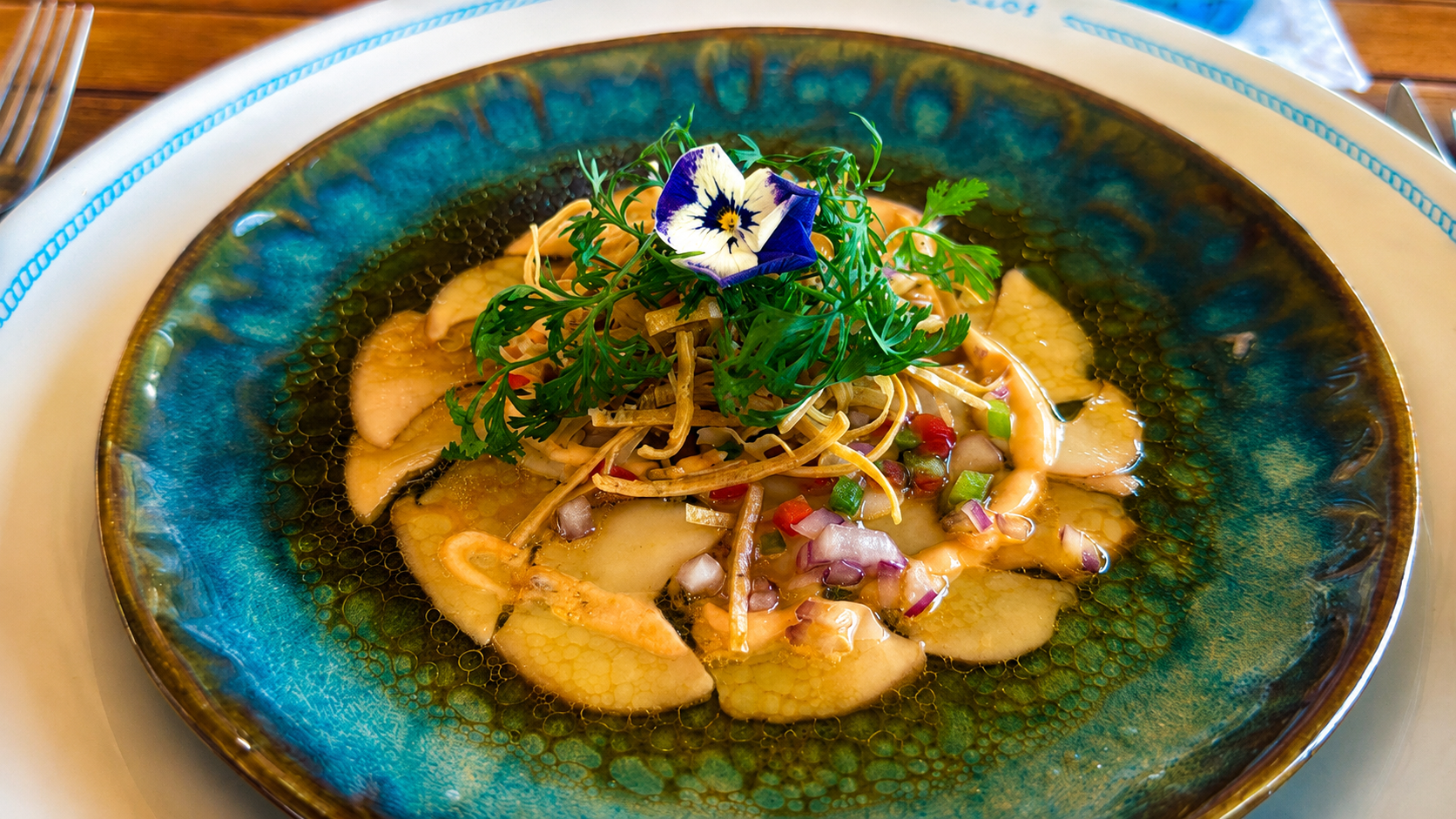
At Punta Sirena, overlooking the Pacific, local cuisine pays tribute to generations of fishermen whose connection to these waters stretches back decades. Every dish feels rooted in a place that refuses to be defined by a single event, no matter how devastating.


The stories we keep
That same sense of continuity appeared again at La Quebrada.
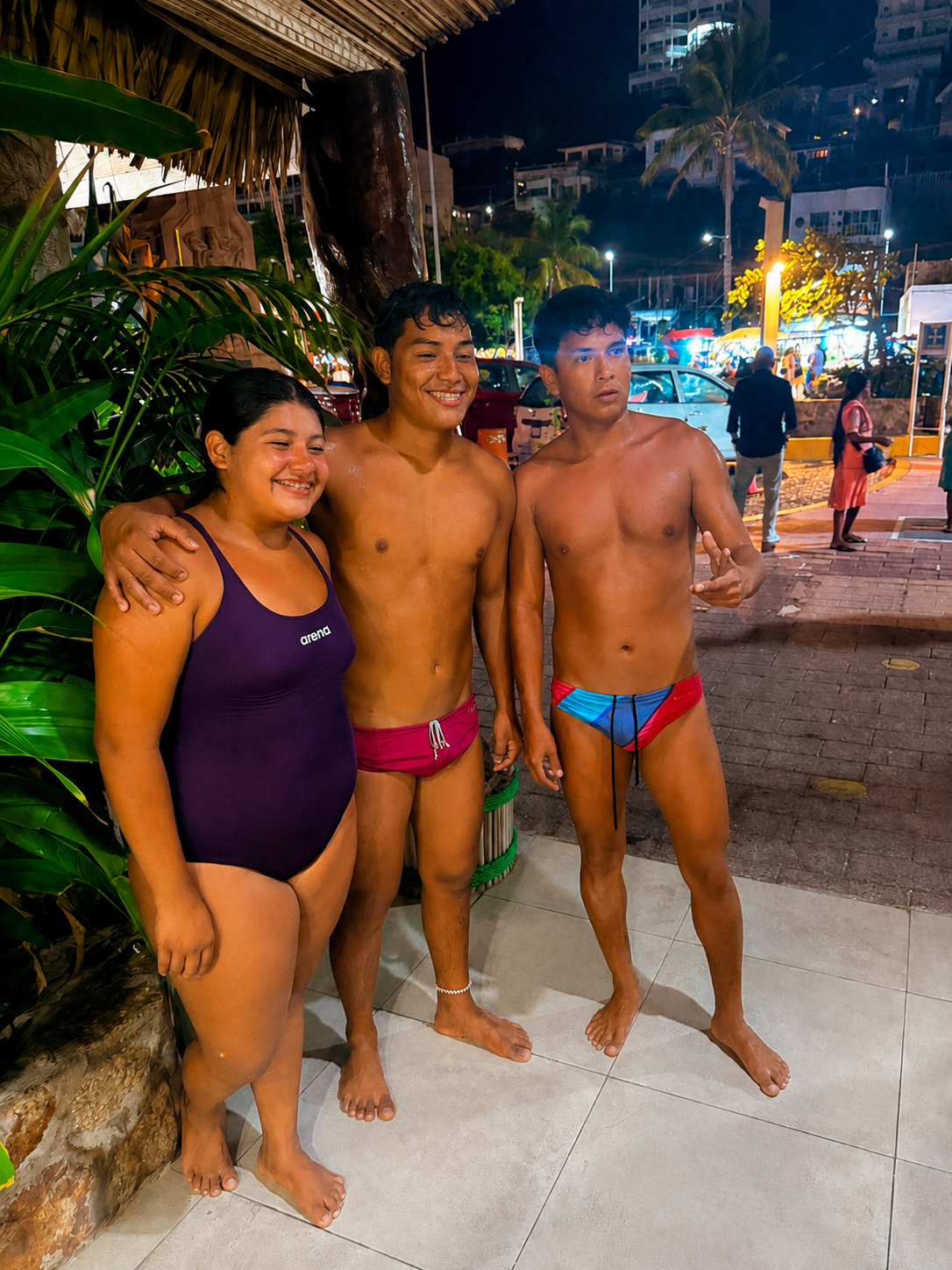
For generations, Acapulco's cliff divers have launched themselves from towering cliffs into a narrow inlet below, timing each leap with the movement of the waves. The tradition remains one of Mexico's most recognizable spectacles, and watching it unfold at sunset at La Perla restaurant in the historic El Mirado Hotel felt like witnessing a ritual that no storm could wash away.
This time, they even set someone on fire prior to jumping in the water.
Perhaps the most moving moment on this visit came at Fuerte de San Diego.
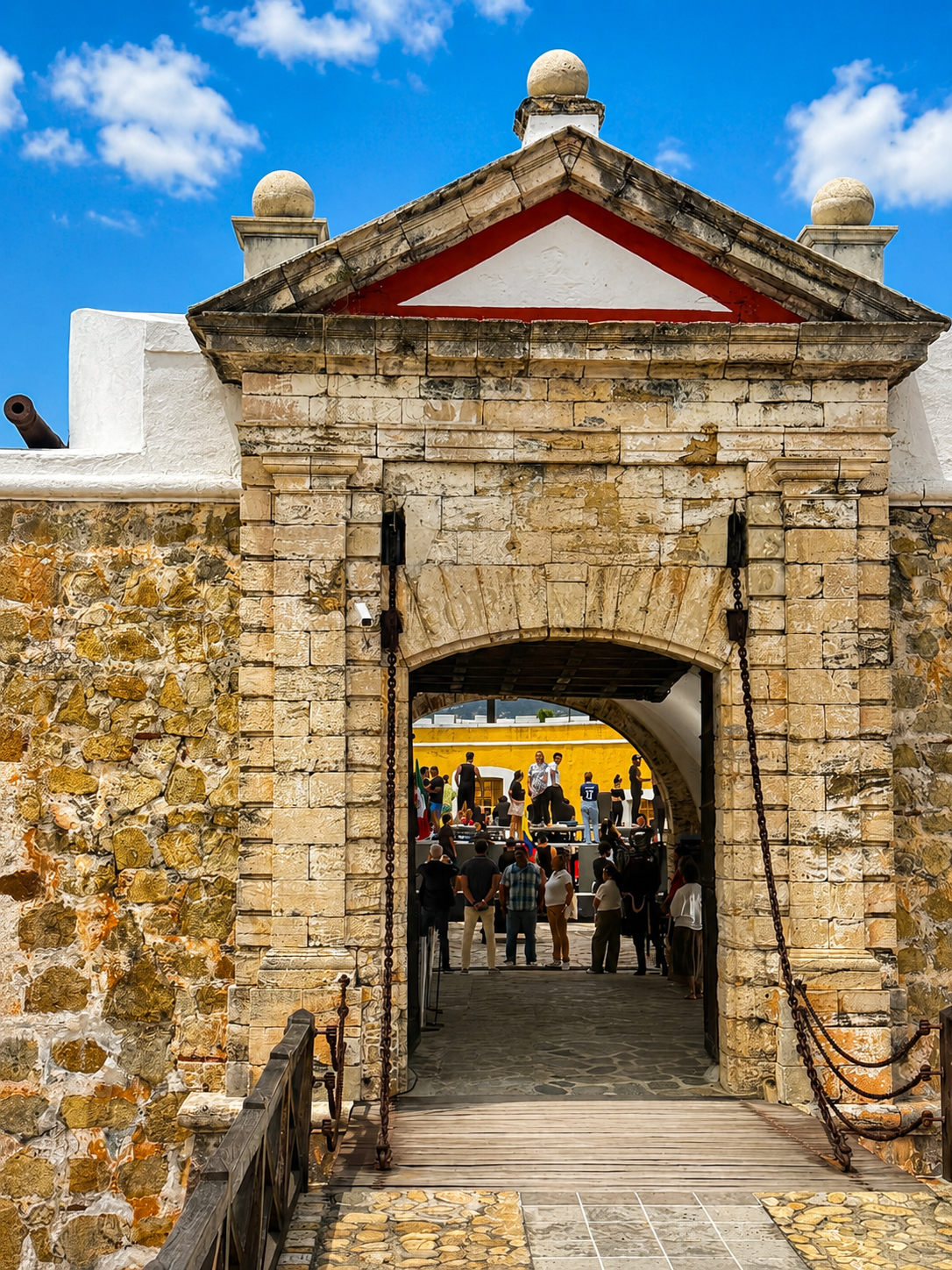
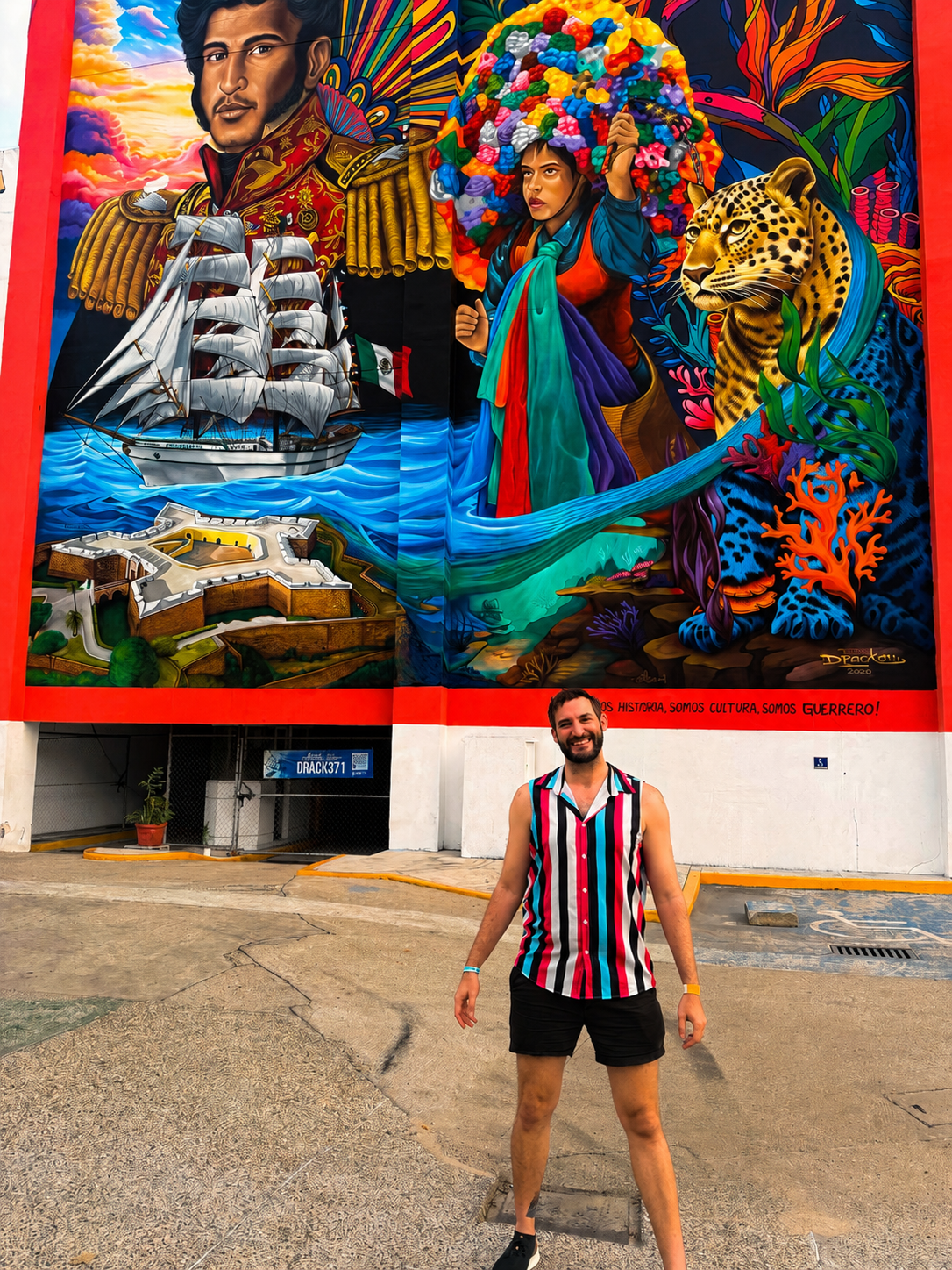
On the final night of Tianguis, performers traced Mexico’s history through music and dance within the walls of the historic fort overlooking the harbor. It depicted the people who have endured pirates, wars, economic shifts, and natural disasters. Coming from a city in the midst of reintroducing itself, it was impossible not to recognize the symbolism.
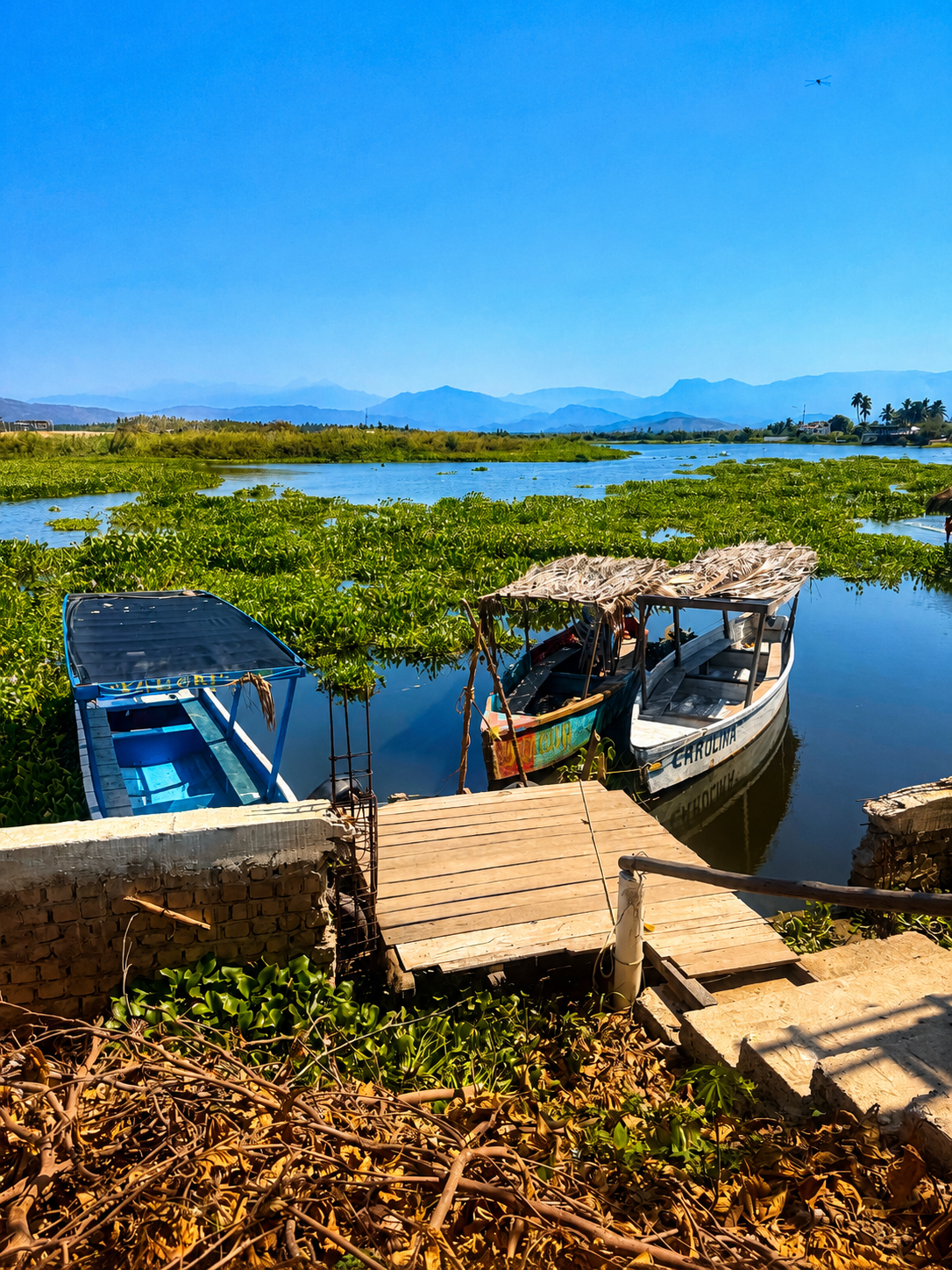
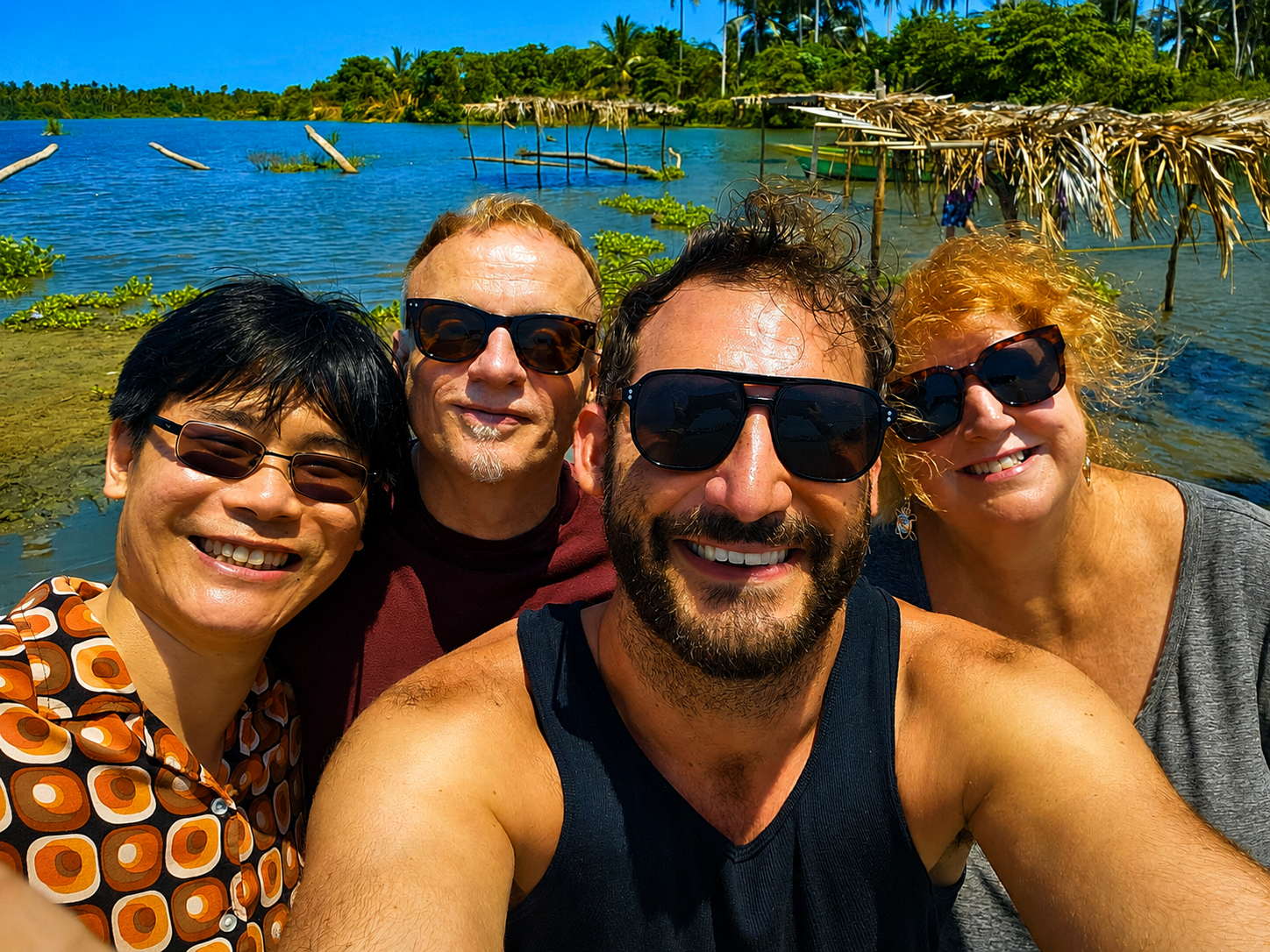
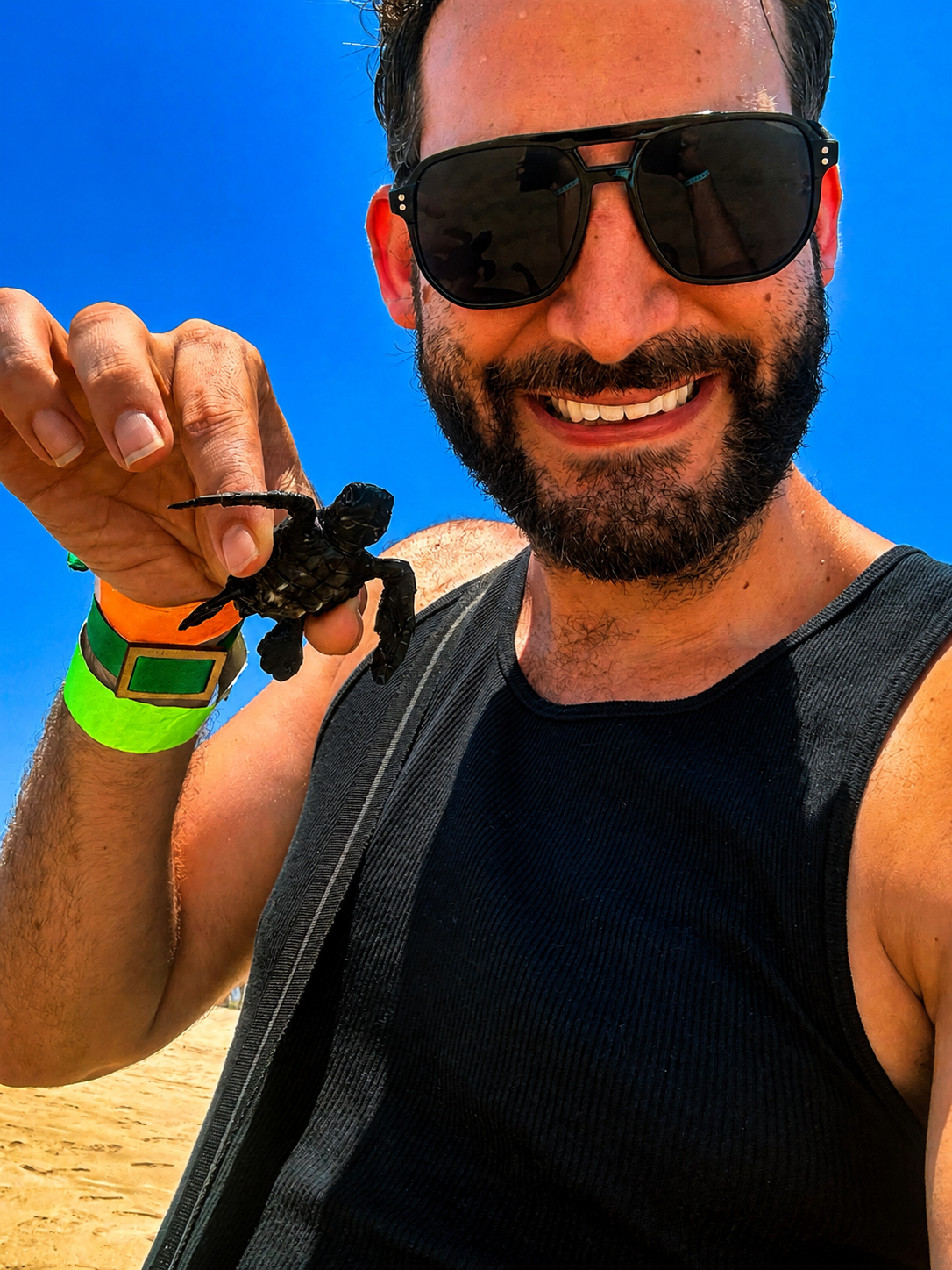
Even a day spent along the tranquil waters of Coyuca Lagoon carried the same message. Between mangrove forests, birdlife, and the release of baby sea turtles into the Pacific (I named mine Baby Blanca), the experience served as a reminder that Acapulco's future is tied not only to rebuilding structures but also to protecting the surrounding natural environments.
Telling the story again
The first time I visited Acapulco, I left thinking about what had been lost, and the long road ahead to get the city back up on its feet.
This time, I left thinking about what had survived and how recovery is measured not only in rebuilt buildings but also in traditions, landscapes, and stories that refuse to disappear.
I did not know I was giving a speech on the final night, but someone recorded it!
“Bouncing back” is often discussed in numbers: hotels reopened, dollars invested, buildings repaired.
But those statistics rarely capture the soul of a place.
What I found in Acapulco wasn't a city pretending the past never happened.
It was a city choosing to celebrate the traditions, landscapes, and communities that endured.
And in many ways, that may be the most important part of recovery.